If you own a Jeep Wrangler JL, you know how important every component is to keep your adventure-ready ride running smoothly. One part that often gets overlooked is the auxiliary battery.
This small but vital battery supports your vehicle’s auto stop-start system and ensures everything runs efficiently when your engine shuts off. But how do you know if your auxiliary battery is working properly or needs attention? Testing it might seem tricky, but it’s easier than you think.
In this guide, you’ll learn simple, step-by-step methods to test your Jeep Wrangler JL’s auxiliary battery, helping you avoid unexpected breakdowns and keep your Jeep performing at its best. Ready to take control of your Jeep’s power system? Let’s dive in.
Credit: www.jlwranglerforums.com
Auxiliary Battery Role
The auxiliary battery in a Jeep Wrangler JL supports the auto start-stop system. It helps reduce engine load and saves fuel. Testing this battery ensures your vehicle runs smoothly and avoids unexpected power issues.
Purpose In Jeep Wrangler Jl
The auxiliary battery in the Jeep Wrangler JL supports extra electrical needs. It works alongside the main battery to power systems. This battery helps reduce strain on the main battery. It ensures that the vehicle’s electronics run smoothly. The auxiliary battery extends the life of the main battery. It also improves overall vehicle reliability.
Connection To Auto Stop-start System
The auxiliary battery plays a key role in the auto stop-start system. This system turns off the engine when the vehicle stops. It saves fuel and reduces emissions. The auxiliary battery powers the electrical components during engine off times. This keeps the lights, radio, and climate controls active. It helps the system restart the engine quickly and smoothly.
Signs Of A Failing Battery
The auxiliary battery in your Jeep Wrangler JL plays a key role in powering systems like the auto stop-start feature. Knowing the signs of a failing auxiliary battery helps prevent unexpected breakdowns. Early detection allows timely testing and replacement to keep your Jeep running smoothly.
Watch for specific symptoms and dashboard warnings that signal battery issues. These clues make it easier to decide when to test the auxiliary battery.
Common Symptoms
One common sign of a failing auxiliary battery is difficulty starting the engine. The auto stop-start system may not work properly or may turn off unexpectedly. Electrical components like lights and radio might flicker or lose power. You might hear clicking sounds when trying to start the Jeep. These symptoms often mean the auxiliary battery cannot hold a charge effectively.
Warning Messages On Dashboard
The Jeep Wrangler JL displays warning messages when the auxiliary battery weakens. Messages like “Battery Charging System” or “Stop-Start Not Ready” often appear on the dashboard. These warnings alert you to a battery issue needing immediate attention. Ignoring these messages can lead to further electrical problems or a no-start condition.
Tools Needed For Testing
Testing the auxiliary battery in your Jeep Wrangler JL requires the right tools. Having these tools ready makes the process faster and more accurate. You do not need a lot of complicated equipment. Just a few basic items will help you check the battery’s health effectively.
Multimeter Basics
A multimeter is the main tool for testing the auxiliary battery. It measures voltage, current, and resistance. For battery testing, focus on voltage measurement. Set the multimeter to DC voltage mode. Connect the red lead to the battery’s positive terminal. Connect the black lead to the negative terminal. A healthy auxiliary battery usually reads around 12.6 volts when fully charged. If the reading is below 12 volts, the battery may be weak or discharged.
Additional Equipment
You might need safety gloves to protect your hands from battery acid. Eye protection is also important to avoid any splashes. A wrench or socket set helps to disconnect the battery terminals safely. Clean cloth or battery terminal cleaner can remove corrosion on the terminals. This ensures good contact during testing. Having a notebook or phone handy helps record your voltage readings. This way, you can track battery performance over time.
Step-by-step Testing Process
Testing the auxiliary battery in your Jeep Wrangler JL is important for reliable performance. This step-by-step process helps you check if the battery is working well. Follow these simple steps to ensure your auxiliary battery is in good condition. Each step is clear and easy to follow.
Locating The Auxiliary Battery
The auxiliary battery is under the hood on the passenger side. It sits near the main battery but in a separate compartment. Open the hood and look for a small box or cover. Remove the cover carefully to access the auxiliary battery terminals. Knowing its exact location saves time and effort.
Safety Precautions
Always wear safety glasses and gloves before testing the battery. Keep metal tools away from the battery terminals to avoid sparks. Make sure the engine is off and the keys are out of the ignition. Work in a well-ventilated area to avoid breathing battery fumes. Safety is the top priority during battery testing.
Measuring Voltage
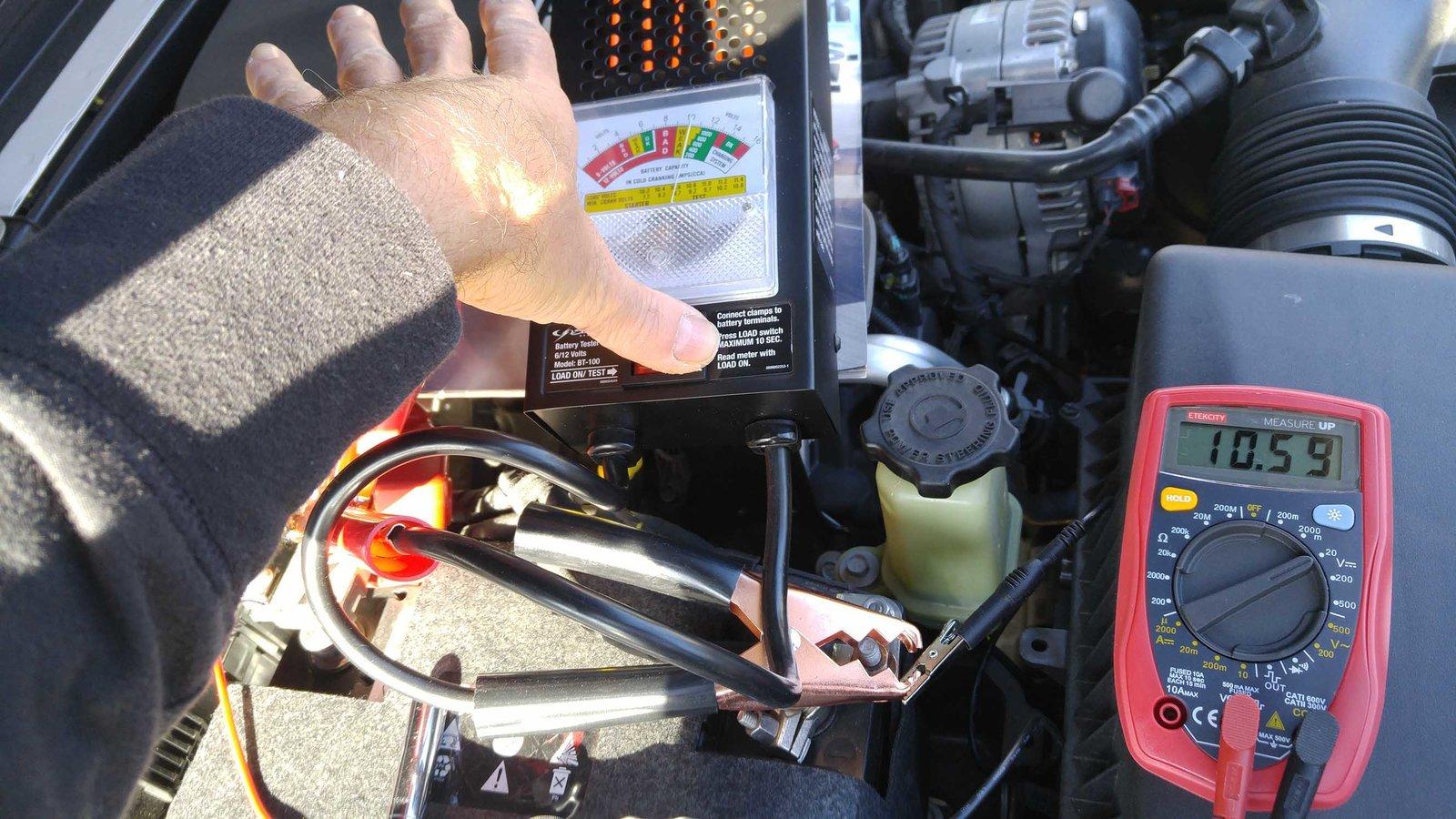
Use a digital multimeter set to DC voltage. Connect the red probe to the positive terminal and the black probe to the negative terminal. A healthy auxiliary battery should read about 12.6 volts when fully charged. If the voltage reads below 12.4 volts, the battery may need charging or replacement. Take your time to get a steady reading.
Performing Load Test
A load test checks the battery under stress. Use a battery load tester or a similar device. Connect the tester to the battery terminals as per the instructions. Apply the load for about 10 to 15 seconds. The voltage should stay above 9.6 volts during the test. If it drops below this, the battery may be weak or failing. Repeat the test if needed for accuracy.
Testing Without Removal
Testing the auxiliary battery in your Jeep Wrangler JL without removing it saves time and effort. It helps identify battery problems quickly. This method avoids the hassle of disconnecting and taking out the battery. You can check battery health right in the engine bay. Follow simple steps to access terminals and use tools for accurate testing.
Accessing Battery Terminals
Open the Jeep’s hood and locate the auxiliary battery. It is usually near the main battery but smaller in size. Clean the battery terminals with a cloth to remove dirt and corrosion. This ensures good contact for testing. Use a wrench to loosen the terminal clamps carefully. Avoid touching both terminals at the same time to prevent sparks. Connect your testing device directly to the battery terminals for best results.
Using Diagnostic Tools
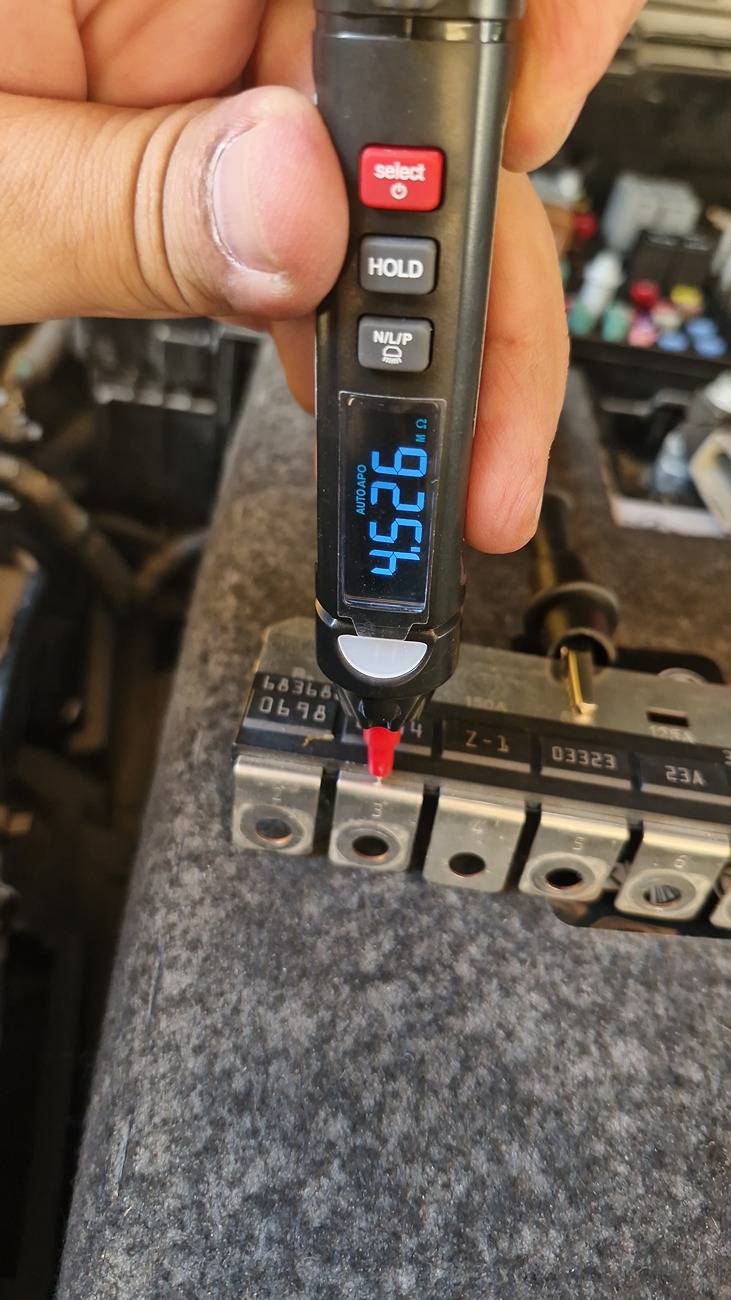
Use a digital multimeter to check battery voltage. Set the meter to DC voltage and connect the probes to the terminals. A healthy auxiliary battery shows about 12.6 volts when the engine is off. If voltage drops below 12.2, the battery may be weak. You can also use an OBD2 scanner with Jeep-compatible software. It reads the battery condition and charging system status. This tool gives detailed information without removing the battery.
Credit: www.jlwranglerforums.com
Interpreting Test Results
Testing the auxiliary battery of your Jeep Wrangler JL is only the first step. Understanding the test results is key to maintaining your vehicle’s performance. Correct interpretation helps you decide if the battery is healthy or needs attention. This section explains how to read the voltage measurements and when to take action.
Voltage Thresholds
The voltage reading shows the battery’s charge level. A fully charged auxiliary battery should read about 12.6 volts or more. If the voltage falls between 12.4 and 12.6 volts, the battery is partially charged but still usable. Readings below 12.4 volts indicate the battery is weak or discharging. A voltage under 12.0 volts means the battery is likely failing and may not support the vehicle’s systems properly.
When To Replace
Replace the auxiliary battery if voltage stays below 12.0 volts after charging. Also, consider replacement if the battery cannot hold a charge or if the Jeep shows electrical issues. Warning signs include frequent start-stop failures or dashboard battery alerts. A battery older than three to five years should be checked regularly. Timely replacement avoids unexpected problems and keeps your Jeep running smoothly.
Auxiliary Battery Maintenance
The auxiliary battery in your Jeep Wrangler JL supports critical functions like the auto start-stop system. Proper maintenance keeps it reliable and extends its life. Neglect can cause electrical issues and reduce performance.
Regular checks and correct charging ensure the battery stays healthy. This section explains simple steps to maintain your auxiliary battery effectively.
Regular Inspection Tips
Check the battery terminals for corrosion or dirt. Clean terminals improve connection and prevent power loss.
Look for any cracks or leaks on the battery case. Damage can lead to failure and requires replacement.
Test the battery voltage regularly with a multimeter. Healthy batteries usually show around 12.6 volts when the engine is off.
Inspect battery cables for wear or loose connections. Secure cables help maintain consistent power flow.
Charging Procedures
Use a compatible battery charger designed for AGM or lithium batteries. This matches the auxiliary battery type in your Jeep JL.
Disconnect the battery before charging to avoid damage to the vehicle’s electronics. Safety first.
Charge the battery slowly to prevent overheating. A slow charge improves battery life.
After charging, check the voltage again to confirm a full charge. It should read between 12.6 and 12.8 volts.
Never overcharge the battery. Overcharging can reduce battery capacity and cause swelling.
Replacement Options
Choosing the right replacement battery for your Jeep Wrangler JL’s auxiliary system is key to maintaining reliable performance. Options vary from original equipment manufacturer (OEM) batteries to aftermarket versions, each with distinct benefits. Understanding these choices helps you make the best decision for your vehicle’s needs and budget.
Oem Vs Aftermarket Batteries
OEM batteries come directly from Jeep or approved suppliers. They match the exact specifications of your original auxiliary battery. This ensures compatibility and reliable performance. OEM batteries often carry a warranty and meet Jeep’s quality standards.
Aftermarket batteries offer a wider range of brands and price points. They may provide similar performance at lower costs. Some aftermarket models include advanced features like longer life or higher cold-cranking amps. Checking reviews and specifications is important to avoid poor-quality products.
Installation Tips
Turn off the vehicle and remove keys before starting battery replacement. Disconnect the negative terminal first to prevent electrical shorts. Carefully remove the old auxiliary battery from its compartment.
Place the new battery securely and reconnect the terminals. Connect the positive terminal before the negative. Tighten clamps to avoid loose connections. Test the system to ensure the battery works properly before closing the compartment.
Common Troubleshooting
Common troubleshooting helps identify issues with the Jeep Wrangler JL’s auxiliary battery. Problems often affect vehicle performance and electrical systems. Knowing what to check saves time and prevents further damage.
Focus on symptoms related to the auxiliary battery. Testing these can reveal if the battery needs replacement or repair. Two common issues include Start-Stop system faults and battery drain problems.
Start-stop System Issues
The auxiliary battery powers the Start-Stop system in the Jeep Wrangler JL. If this system fails, the vehicle may not shut off or restart properly at stops. Check for warning lights on the dashboard that indicate battery or system faults.
Test the battery voltage with a multimeter. It should read around 12.6 volts when fully charged. Lower voltage can cause the Start-Stop system to malfunction. Inspect battery connections for corrosion or loose terminals. Clean and tighten as needed.
Resetting the system by disconnecting the battery for a few minutes sometimes helps. If problems persist, the auxiliary battery may need replacement. A weak battery cannot support the Start-Stop function properly.
Battery Drain Problems
Battery drain can occur if the auxiliary battery discharges too quickly. This leads to difficulty starting the vehicle or electrical system failures. Use a multimeter to measure current draw when the vehicle is off.
Excessive drain may come from faulty wiring or electronics staying on. Inspect wiring harnesses for damage or shorts. Check if any aftermarket accessories are causing the drain. Remove or repair any faulty parts.
Regular testing of the auxiliary battery helps spot drain issues early. Keep the battery terminals clean and secure. Replace the battery if it cannot hold a charge after a full recharge.

Credit: www.youtube.com
Frequently Asked Questions
How To Know If A Jeep Aux Battery Is Bad?
Test a Jeep aux battery by measuring voltage with a multimeter; below 12. 4 volts indicates a weak or bad battery. Look for warning lights or start-stop failures. Also, check for slow engine cranking or electrical issues. Replace if performance worsens despite charging.
Can You Test An Auxiliary Battery?
Yes, you can test an auxiliary battery using a multimeter to check voltage and a load tester for performance.
Can Autozone Test Auxiliary Battery?
Yes, AutoZone can test auxiliary batteries. They use diagnostic tools to check battery health and performance quickly.
What Does The Auxiliary Battery Do In A Jeep Jl?
The auxiliary battery in a Jeep JL powers the auto stop-start system. It supports electrical functions when the engine stops. This battery ensures smooth engine restarts and maintains vehicle electronics during idle.
Conclusion
Testing the auxiliary battery in your Jeep Wrangler JL helps ensure reliable performance. Regular checks prevent unexpected issues with the auto stop-start system. Use a multimeter or visit a trusted auto parts store for accurate results. Remember to follow safety steps when handling batteries.
Keeping your auxiliary battery healthy supports your vehicle’s electrical needs. Simple tests save time and costly repairs later. Stay proactive and keep your Jeep running smoothly on every adventure.