If you own a Jeep Grand Cherokee or are thinking about getting one, knowing how much fuel it can hold is key to planning your trips and managing your budget. You might wonder, “How many gallons does a Jeep Grand Cherokee hold?”
Whether you’re hitting the highway or exploring off-road trails, understanding your fuel tank capacity helps you avoid unexpected stops and keeps your adventure smooth. You’ll find clear, straightforward answers about the fuel capacity across different Jeep Grand Cherokee models. Plus, you’ll learn how this impacts your driving range and fuel choices, so you can get the most out of every tank.
Keep reading to make sure your next ride is as efficient and worry-free as possible.
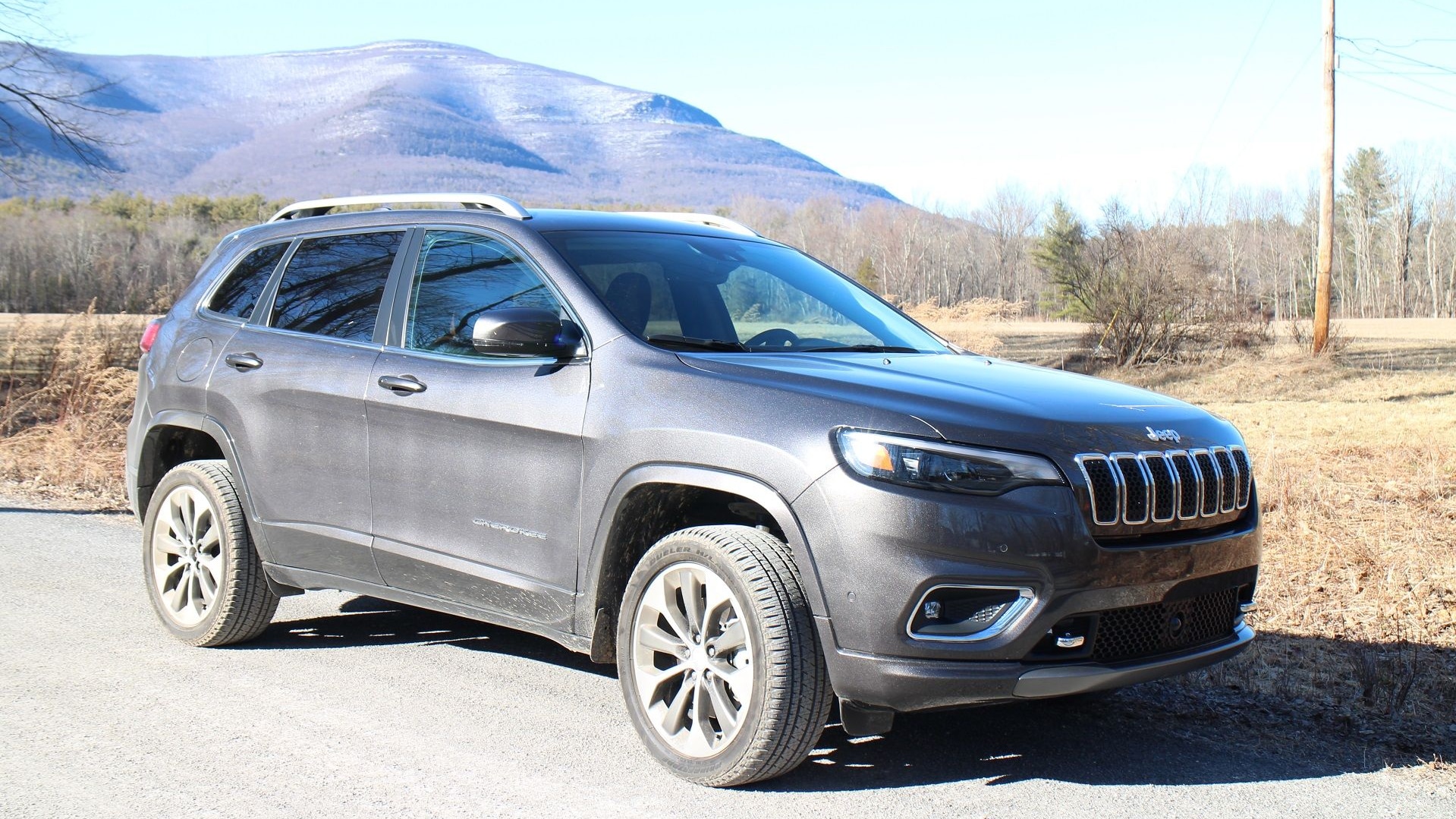
Credit: www.greencarreports.com
Fuel Tank Capacity By Model
The fuel tank capacity of the Jeep Grand Cherokee varies by model and trim. Knowing the exact capacity helps plan longer trips without frequent stops. It also affects the vehicle’s weight and fuel range. Different models and years have slight changes in tank size.
This section breaks down the fuel tank capacity by specific Jeep Grand Cherokee models. It covers the standard model, the Laredo trim, and differences across trim levels. It also highlights how the tank size has changed over the years.
Standard Jeep Grand Cherokee
The standard Jeep Grand Cherokee usually holds about 24.6 gallons of fuel. This size is common for most recent models. It balances between enough fuel for long drives and keeping the vehicle’s weight manageable. The tank size supports both city and highway driving needs.
Grand Cherokee Laredo Capacity
The Laredo trim, a popular choice, also typically features a 24.6-gallon tank. This consistency helps buyers who choose this trim for its value and features. The capacity allows for a solid driving range without extra bulk. Fuel efficiency and tank size work well together here.
Differences Across Trim Levels
Other trims like Limited or Overland sometimes have slight variations. These can range from 22.5 to 24.6 gallons depending on the model. Some trims focus more on luxury or performance, affecting fuel tank size. A smaller tank may appear in sportier trims to reduce weight.
Variations By Model Year
Fuel tank capacity can change a bit from year to year. Early 2000s models had smaller tanks, closer to 22 gallons. Recent versions increased to nearly 24.6 gallons for better range. Always check the specific year to know the exact tank size. Changes often reflect improvements in design and fuel system.

Credit: www.advantagecdjr.com
Jeep Grand Cherokee Mileage
The Jeep Grand Cherokee is a popular SUV known for its strong performance and comfort. Understanding its mileage helps you plan trips and manage fuel costs. Mileage depends on engine type, driving style, and road conditions. Each factor changes how many miles you get per gallon.
Miles Per Gallon By Engine Type
The Jeep Grand Cherokee offers several engines. The 3.6L V6 usually delivers around 19 mpg in the city and 26 mpg on the highway. The 5.7L V8 has a lower mileage, about 14 mpg city and 22 mpg highway. The diesel engine option improves efficiency, reaching up to 22 mpg city and 30 mpg highway. Engine choice affects fuel economy significantly.
City Vs Highway Performance
City driving uses more fuel than highway driving. Stop-and-go traffic lowers miles per gallon. The Grand Cherokee gets better mileage on highways due to steady speeds. Expect roughly 20 to 30 percent better fuel economy on highways. Planning longer trips on highways saves fuel and money.
Impact Of Driving Conditions
Fuel mileage changes with weather and terrain. Cold weather causes engines to use more fuel. Uphill driving and rough roads reduce miles per gallon. Heavy cargo and towing also decrease fuel efficiency. Smooth roads and mild climates help the Grand Cherokee reach its best mileage.
Comparing Mpg Across Trims
Different trims affect fuel economy. Lighter trims with fewer features tend to be more efficient. Higher trims with more power and added weight use more fuel. For example, the base Laredo trim gets better mileage than the Trailhawk or Summit trims. Choose trims based on your need for performance or fuel savings.
Fuel Types For Jeep Grand Cherokee
The Jeep Grand Cherokee uses different fuel types depending on the model and engine. Choosing the right fuel affects performance and engine health. Understanding fuel options helps you get the best from your vehicle.
Regular Vs Premium Gasoline
The Jeep Grand Cherokee can run on regular or premium gasoline. Regular gas has a lower octane rating, usually 87. Premium gas has a higher octane, around 91 or more. Higher octane fuel prevents knocking in powerful engines. Some models need premium fuel for best performance. Others can use regular gas without issues.
Recommended Fuel By Model
Base models with V6 engines typically use regular gasoline. Models with V8 engines or turbocharged options often require premium gas. Hybrid versions may also recommend premium fuel. Always check the owner’s manual for your model’s fuel needs. Using the recommended fuel keeps your engine running smoothly.
Effects Of Using Different Fuel Types
Using lower octane fuel in a premium-required Jeep may cause knocking. This can reduce power and fuel efficiency. Over time, it may damage the engine. Using premium gas in a regular-fuel model usually does not improve performance. It just increases fuel costs. Stick to the fuel type suggested for your Jeep Grand Cherokee model.
Driving Range On A Full Tank
The driving range on a full tank is a key factor for Jeep Grand Cherokee owners. It tells you how far you can travel before refueling. This range depends on the fuel tank size and the vehicle’s miles per gallon (MPG). Knowing this helps plan trips and manage fuel stops.
Estimated Range By Trim
The Jeep Grand Cherokee comes in several trims, each with different fuel tank sizes and MPG. Most trims hold about 24.6 gallons of fuel. For example, the Laredo trim with a V6 engine averages about 19 MPG in the city and 26 MPG on the highway. This translates to an estimated range of around 468 miles on a full tank for highway driving.
The higher trims, like the Trailhawk or Overland with a V8 engine, may have slightly lower MPG but similar tank sizes. Their range usually falls between 400 to 450 miles per tank. The exact range varies by engine type and driving conditions.
Factors Influencing Distance
Several factors affect how far the Jeep Grand Cherokee can go on a full tank. Driving style plays a big role. Aggressive acceleration or heavy braking reduces fuel efficiency. City driving with frequent stops also lowers the range compared to steady highway speeds.
Terrain affects distance too. Driving uphill or on rough roads uses more fuel. Carrying heavy loads or towing can reduce the miles per tank. Weather conditions, like extreme heat or cold, impact fuel economy as well.
Real-world Driving Experiences
Many Jeep Grand Cherokee owners report real-world ranges close to factory estimates. On long highway trips, drivers often reach 400 to 480 miles before refueling. In city traffic, the range may drop to around 350 miles per tank.
User reviews mention that keeping tires properly inflated and regular maintenance help maintain good fuel economy. Some drivers note that using cruise control on highways improves their range. Overall, the Jeep Grand Cherokee offers a solid balance of fuel capacity and mileage for daily driving and adventures.
Fuel Efficiency Tips
Fuel efficiency plays a big role in how far your Jeep Grand Cherokee can go on a full tank. Saving gas helps reduce fuel costs and extends your driving range. Simple steps make a noticeable difference. Try these fuel efficiency tips to get the most from every gallon.
Maintaining Optimal Tire Pressure
Keep your tires inflated to the manufacturer’s recommended pressure. Under-inflated tires create more rolling resistance. This forces the engine to work harder and burn extra fuel. Check tire pressure monthly with a reliable gauge. Properly inflated tires improve gas mileage and enhance safety on the road.
Driving Habits To Save Gas
Avoid rapid acceleration and hard braking. Smooth and steady driving lowers fuel consumption. Use cruise control on highways to maintain a constant speed. Limit idling time to save gas. Plan trips to reduce unnecessary driving. These habits help your Jeep Grand Cherokee use fuel more efficiently.
Regular Vehicle Maintenance
Keep your engine tuned and change oil on time. Clean air filters allow the engine to breathe better, improving fuel economy. Replace spark plugs and fuel filters as needed. Check for wheel alignment issues that cause uneven tire wear. Well-maintained vehicles run smoother and consume less fuel.

Credit: www.interautomass.com
Frequently Asked Questions
How Many Miles Does A Full Tank Of Gas Go In A Jeep Grand Cherokee?
A full tank in a Jeep Grand Cherokee typically holds about 24. 6 gallons. It can travel approximately 350 to 450 miles, depending on the model and driving conditions.
What Is The Gas Mileage Of A Jeep Grand Cherokee?
The Jeep Grand Cherokee averages 19-26 MPG, depending on engine and model year. Gas mileage varies by trim and driving conditions.
Can A Jeep Grand Cherokee Take Regular Gas?
Yes, most Jeep Grand Cherokee models can use regular unleaded gasoline. Check your owner’s manual for specific fuel recommendations.
How Far Can A Jeep Cherokee Go On A Full Tank Of Gas?
A Jeep Cherokee can travel approximately 350 to 400 miles on a full tank of gas, depending on the model and driving conditions.
Conclusion
The Jeep Grand Cherokee’s fuel tank size varies by model and year. Most tanks hold between 20 and 24 gallons of gas. This capacity helps drivers plan trips and refueling stops. Knowing the exact tank size can improve your driving experience.
Always check your specific model for accurate information. This ensures you get the most out of your Jeep Grand Cherokee’s fuel range.