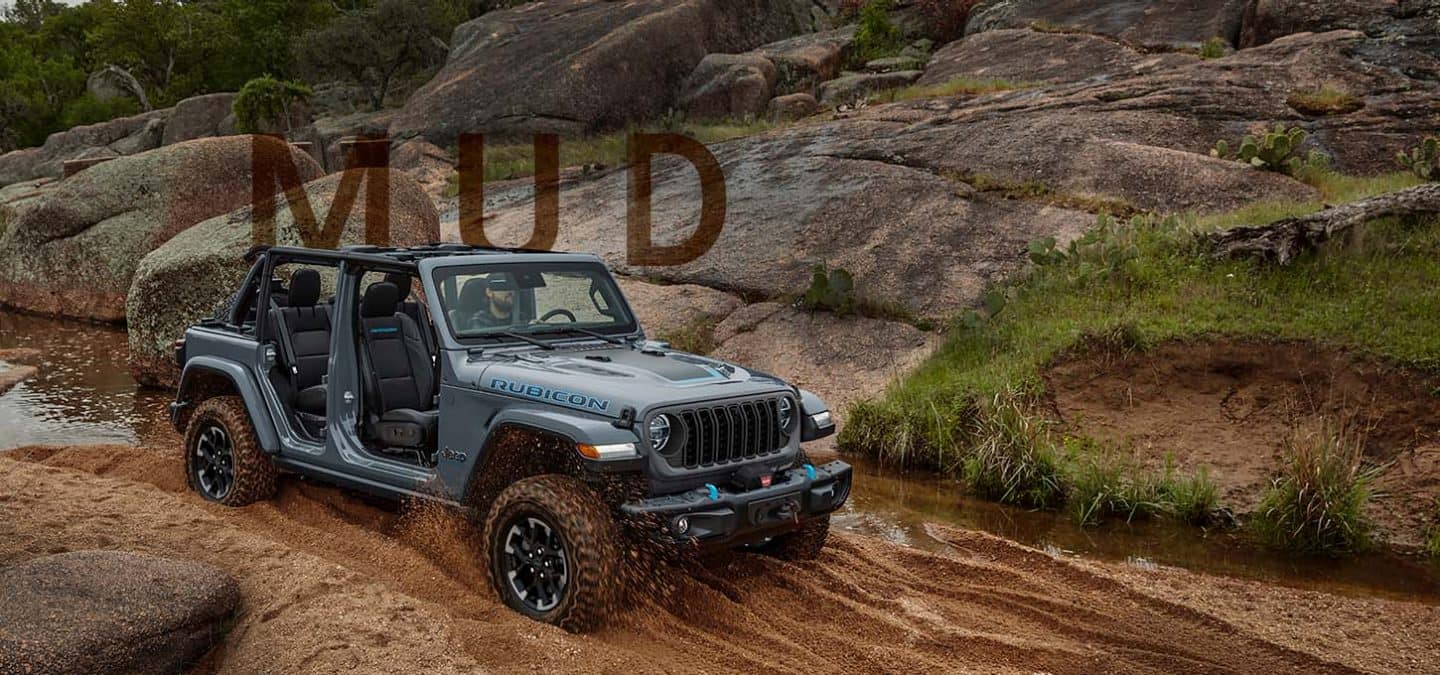
If you’re thinking about buying a Jeep Wrangler and want the best off-road experience, knowing which model years come with full-time four-wheel drive is key. Full-time 4WD means your Jeep is ready to tackle tough terrain anytime, without you having to switch modes.
But not all Wranglers offer this feature, and choosing the right year can make a huge difference in how your Jeep performs on and off the road. You’ll discover exactly which Jeep Wrangler years come equipped with full-time four-wheel drive, so you can make a confident choice that fits your adventure style.
Keep reading to find out what makes these models stand out and which one might be the perfect fit for your next journey.
Credit: www.jeep.com
Jeep Wrangler Generations
The Jeep Wrangler has evolved through several generations since its debut. Each generation brought new features and capabilities. Four-wheel drive systems also changed over time. Understanding these changes helps identify which years offer full-time four-wheel drive. Below is a breakdown of the main Jeep Wrangler generations and their four-wheel-drive setups.
Yj Model Years
The YJ was the first Jeep Wrangler, produced from 1987 to 1995. It used a part-time four-wheel-drive system. Drivers had to manually engage 4WD when needed. This generation did not have full-time four-wheel drive.
Tj Model Years
The TJ ran from 1997 to 2006. It improved on the YJ’s design and comfort. TJ Wranglers mostly used part-time 4WD systems. Some models featured advanced systems but still required driver input. Full-time four-wheel drive was not standard in this generation.
Jk Model Years
The JK was made between 2007 and 2018. This generation introduced more modern tech and options. Certain JK models offered a full-time four-wheel-drive system called “Command-Trac.” It allowed automatic power distribution to all wheels. Still, full-time 4WD was not on every JK.
Jl Model Years
The JL started in 2018 and continues today. It features improved drivetrains and off-road tech. Most JL Wranglers have a full-time four-wheel-drive option. This system provides better traction without driver input. The JL generation marked a shift toward more accessible full-time 4WD.
Electric Wrangler Introduction
The Electric Wrangler arrived recently as a new model. It uses electric motors on each axle. This setup allows full-time four-wheel drive by design. Electric power improves traction and efficiency. The Electric Wrangler represents the future of Jeep’s 4WD technology.
Four Wheel Drive Systems
The Jeep Wrangler is well known for its off-road capability. A key part of this is its four wheel drive system. These systems help the vehicle handle tough terrains. Knowing the types of four wheel drive systems in Jeep Wranglers helps buyers choose the right model.
Different Jeep Wrangler years and models come with different four wheel drive setups. Some have part time systems, while others offer full time options. Each system works in a unique way to provide traction and control.
Part Time Vs Full Time 4wd
Part time 4WD means the driver must switch between two wheel drive and four wheel drive. This system saves fuel but can only be used on slippery surfaces. Using it on dry roads may damage the drivetrain.
Full time 4WD works all the time. It sends power to all wheels without driver input. This system improves traction on all surfaces, including dry pavement. Some Jeep Wrangler models have full time 4WD for better control.
All Wheel Drive Features
All wheel drive (AWD) is similar to full time 4WD but focuses more on on-road use. It automatically adjusts power between front and rear wheels. This helps maintain grip during turns and on wet roads.
Jeep Wranglers with AWD provide smoother handling on highways. They still have off-road capabilities but prioritize everyday driving comfort. This makes AWD a good choice for mixed use.
Transfer Case Types
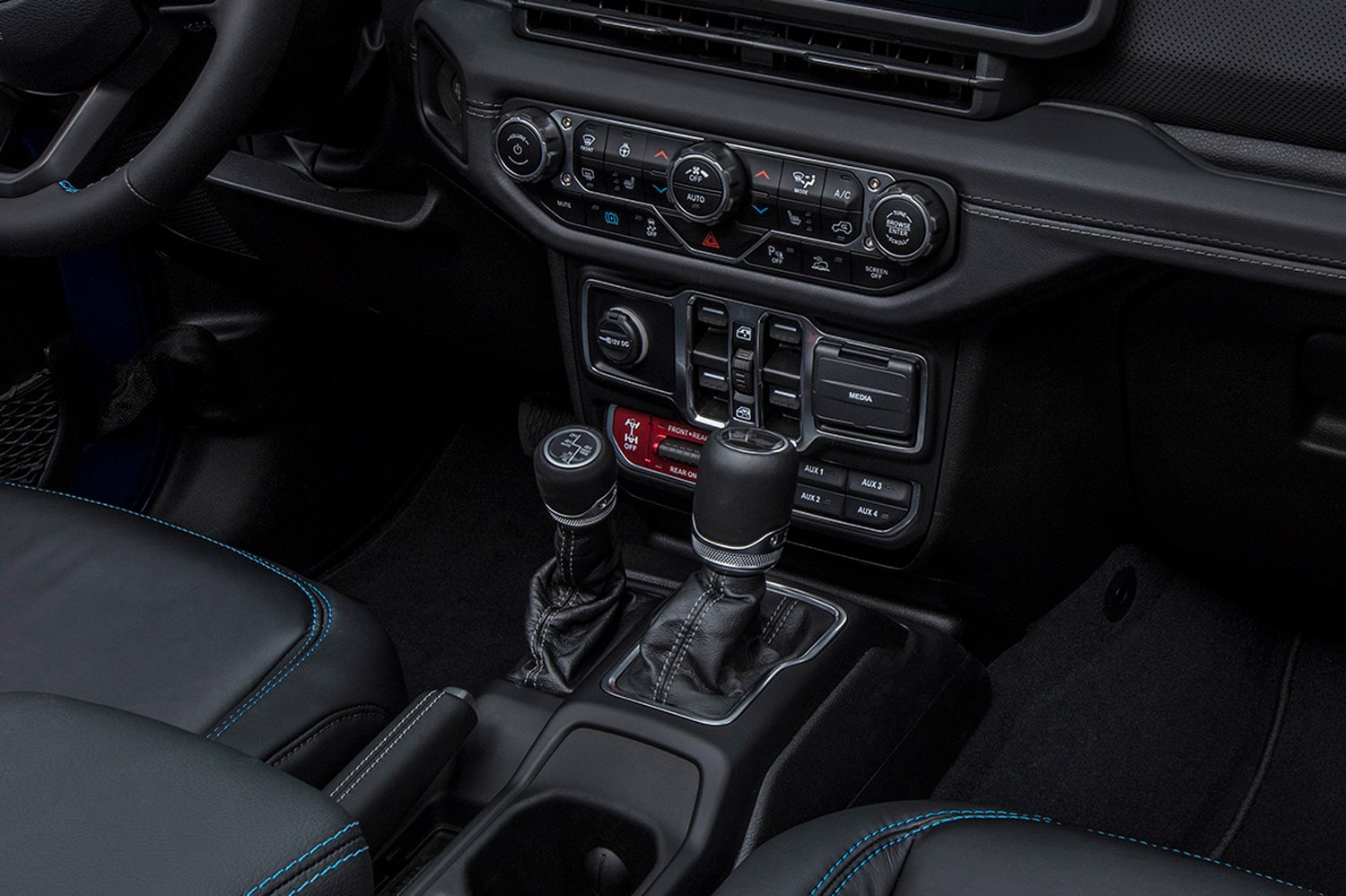
The transfer case is the part that distributes power to the wheels. Jeep Wranglers use different types of transfer cases. Some have a two-speed transfer case with high and low gears.
Low gear mode is for tough off-road conditions. It gives more torque but lowers speed. High gear is for normal driving. Some full time 4WD systems have a center differential to allow smooth driving on all surfaces.
Wrangler Models With Full Time 4wd
The Jeep Wrangler is known for its off-road capabilities and rugged design. One key feature that many buyers look for is full time four wheel drive (4WD). This system allows the vehicle to send power to all four wheels continuously. It improves traction and control on various surfaces. Different Wrangler models offer different 4WD systems. Understanding which years and models have full time 4WD helps buyers make informed choices.
Early Models Without Full Time 4wd
The earliest Jeep Wranglers did not have full time 4WD. Models like the YJ and early TJ series used part time 4WD. Drivers had to switch between two wheel drive and four wheel drive manually. These models lacked the ability to send power to all wheels at all times. Full time 4WD was not common in these years.
Models Introducing Full Time 4wd
The Jeep Wrangler JK, introduced in 2007, brought full time 4WD options. Select models featured a system called “Command-Trac” with a full time mode. This allowed drivers to use 4WD on all road conditions. The system automatically adjusted power distribution to wheels. It improved handling on wet or slippery roads. This was a major step forward for the Wrangler lineup.
Unlimited Models And Awd
The Unlimited versions of the Wrangler added more advanced drive systems. Some Unlimited models include an all wheel drive (AWD) system. AWD differs from traditional 4WD by automatically managing power to wheels. This system works well on pavement and light off-road trails. It provides better everyday drivability while keeping off-road ability. Unlimited models combine space and improved drivetrain technology for versatile use.
Credit: www.capitalone.com
Benefits Of Full Time 4wd
Full time four wheel drive (4WD) offers clear advantages for Jeep Wrangler drivers. It provides constant power to all wheels, enhancing vehicle control. This system improves driving on different surfaces without needing manual switching. Many Jeep Wrangler models come equipped with this feature, which adds value for both daily driving and off-road adventures.
Improved Traction
Full time 4WD sends power to all four wheels at once. This helps maintain grip on slippery roads like ice or mud. The system reduces wheel slip and improves vehicle handling. Drivers feel more confident driving in tough weather conditions. It also lowers the chance of getting stuck in soft ground or snow.
Off-road Performance
Jeep Wranglers with full time 4WD perform better on rough trails. Power reaches every wheel, making it easier to climb rocks and steep hills. The system adjusts to uneven surfaces without driver input. This means safer and smoother off-road trips. It also protects the vehicle from damage by maintaining steady traction.
On-road Stability
Full time 4WD improves vehicle balance during normal driving. It distributes power evenly, reducing oversteer and understeer. This leads to better cornering and braking on paved roads. The system works quietly in the background for a smooth ride. Drivers benefit from enhanced control, especially on wet or winding roads.
Common Issues In Specific Years
Jeep Wrangler models with full-time four-wheel drive offer strong off-road capability. However, some years have specific issues that affect performance and reliability. Knowing these common problems helps buyers choose wisely and avoid costly repairs. This section highlights the trouble spots in certain model years.
Years To Avoid
Some Jeep Wrangler years have more complaints than others. The 2007 and 2008 models often face transmission problems. The 2012 Wrangler has issues with the electrical system. Early JK models, from 2007 to 2010, can have frame rust. These years may cause frequent repairs and higher maintenance costs.
Known Mechanical Concerns
Wranglers with the 3.6L V6 engine sometimes suffer from engine stalling. The Dana 30 front axle in some older models may break under heavy use. Transfer case leaks appear in 2011 through 2013 models. Suspension components like ball joints and control arms wear out quickly in harsh conditions. Regular checks can prevent sudden failures.
Reliability Ratings
Reliability scores vary by year and source. Models from 2015 and later show better ratings due to design improvements. The JL series, introduced in 2018, ranks higher for fewer breakdowns. Older YJ and TJ models receive mixed reviews, often due to age-related wear. Checking detailed ratings helps find a dependable Wrangler with full-time four-wheel drive.
Choosing The Right Year
Choosing the right Jeep Wrangler year matters for full-time four-wheel drive. Different models offer varying 4WD systems. Some years have part-time 4WD, while others come with full-time systems. Knowing these differences helps in picking the best Wrangler for your needs. This guide breaks down key years, budget tips, and feature upgrades.
Best Years For Full Time 4wd
The Jeep Wrangler JL, introduced in 2018, offers full-time four-wheel drive. It uses a modern system that works well on all terrains. Some older Wranglers, like the JK (2007–2018), mainly have part-time 4WD. The JK does not have full-time 4WD but offers reliable off-road capabilities. For true full-time 4WD, focus on the JL models and newer. These years provide better traction and handling in various conditions.
Budget Considerations
Newer Jeep Wranglers with full-time 4WD tend to cost more. Older models are cheaper but may not have the full-time system. Maintenance and fuel costs can be higher for full-time 4WD vehicles. Decide how much to spend on purchase and upkeep. Sometimes, a slightly older Wrangler with part-time 4WD fits better for tight budgets. Balance cost with the need for full-time four-wheel drive.
Features And Upgrades
Jeep Wranglers with full-time 4WD often have better technology. The 2018 and newer models include advanced traction control and drive modes. Look for upgrades like electronic locking differentials and hill descent control. These features improve off-road performance and safety. Some models also offer improved interiors and infotainment. Choose a year that matches your desired features and 4WD capabilities.
Maintenance Tips For 4wd Systems
Maintaining the full-time four-wheel drive (4WD) system in Jeep Wranglers ensures smooth performance and longevity. Regular care prevents costly repairs and keeps your vehicle ready for all terrains. Follow simple maintenance tips to protect your 4WD system and enjoy reliable off-road adventures.
Routine Checks
Inspect the 4WD system regularly for any visible damage. Check the drive shafts, axles, and joints for wear or cracks. Listen for unusual noises while driving, which may signal issues. Ensure the transfer case shifts smoothly between modes. Tighten any loose bolts or parts to avoid further damage. Early detection helps prevent major failures and keeps your Wrangler in top shape.
Fluid Changes
Change the transfer case and differential fluids as recommended in the owner’s manual. Old or dirty fluids can cause overheating and wear. Use the correct type of fluid specified by Jeep for your model year. Regular fluid changes improve lubrication and protect internal parts. Keep track of mileage and service intervals to avoid neglect. Clean fluids enhance 4WD system efficiency and extend its life.
Troubleshooting 4wd Problems
Common 4WD problems include slipping, binding, or failure to engage. Check the 4WD indicator lights for error signals. Test the system in different driving conditions to identify the issue. Inspect electrical connections and fuses related to the 4WD controls. Look for leaks around seals and gaskets. Consult a professional mechanic if problems persist after basic checks. Timely troubleshooting minimizes damage and repair costs.

Credit: www.simivalleychryslerdodgejeepram.com
Frequently Asked Questions
Which Jeep Wrangler Has Full Time 4wd?
The Jeep Wrangler Rubicon offers full-time 4WD with its Rock-Trac system. Most other Wranglers use part-time 4WD systems.
Which Year Jeep Wrangler To Stay Away From?
Avoid the 2012 Jeep Wrangler due to frequent transmission and electrical issues. Early 2018 models also had notable recall problems.
Can I Drive My Jeep Wrangler In 4h All The Time?
You can drive your Jeep Wrangler in 4H on dry pavement but avoid it for long periods. It suits light off-road or slippery conditions. Using 4H constantly may cause drivetrain wear and reduce fuel efficiency. Switch to 2H for regular driving to protect your vehicle.
What Year Is The Best Year For A Jeep Wrangler?
The 2018 Jeep Wrangler JL is widely considered the best year due to improved technology, comfort, and off-road capability. It blends classic design with modern features, making it a top choice among enthusiasts.
Conclusion
Jeep Wrangler models with full-time four-wheel drive offer great traction all the time. Most Wranglers use part-time 4WD, but some newer models feature full-time systems. Knowing which years have this helps you pick the right Jeep. Full-time 4WD improves control on slippery roads and rough terrain.
It suits drivers who need constant traction without switching modes. Always check the specific model details before buying. This way, you get the best Jeep for your driving needs.