Ready to take full control of your Jeep Wrangler’s powerful 4-wheel drive system? Whether you’re tackling rough trails or cruising through slippery roads, knowing exactly how to engage your 4WD will keep you safe and confident behind the wheel.
In this guide, you’ll learn simple, step-by-step instructions to switch your Jeep into 4-wheel drive quickly and correctly. No confusing jargon or guesswork—just clear, practical tips that put you in command of your Wrangler’s off-road capabilities. Keep reading to master your Jeep’s 4WD and make every drive an adventure you can handle with ease.
Jeep Wrangler 4wd Basics
The Jeep Wrangler is built for off-road adventures and tough terrain. Its four-wheel drive (4WD) system helps the vehicle move through mud, snow, and rocky paths with ease.
Understanding the basics of the Wrangler’s 4WD system is key for safe and effective driving. This section explains the types of 4WD systems, how manual and automatic transmissions affect 4WD, and the role of the transfer case.
Types Of 4wd Systems
There are two main types of 4WD systems: part-time and full-time. Part-time 4WD lets you switch between two-wheel drive and four-wheel drive. This saves fuel on normal roads. Full-time 4WD powers all wheels all the time, improving traction on slippery surfaces.
The Jeep Wrangler usually has a part-time 4WD system. Drivers can choose when to engage 4WD based on road conditions. Some models also offer advanced systems with low-range gears for extra power on steep or rough terrain.
Manual Vs Automatic Transmission
The type of transmission changes how you engage 4WD. Manual transmissions require pressing the clutch before shifting the transfer case lever. Automatic transmissions often need the main gear selector in Neutral before shifting 4WD modes.
Manual drivers have more control over gear changes but must coordinate clutch use. Automatic drivers can shift 4WD modes more easily but should follow the manufacturer’s instructions to avoid damage.
Transfer Case Overview
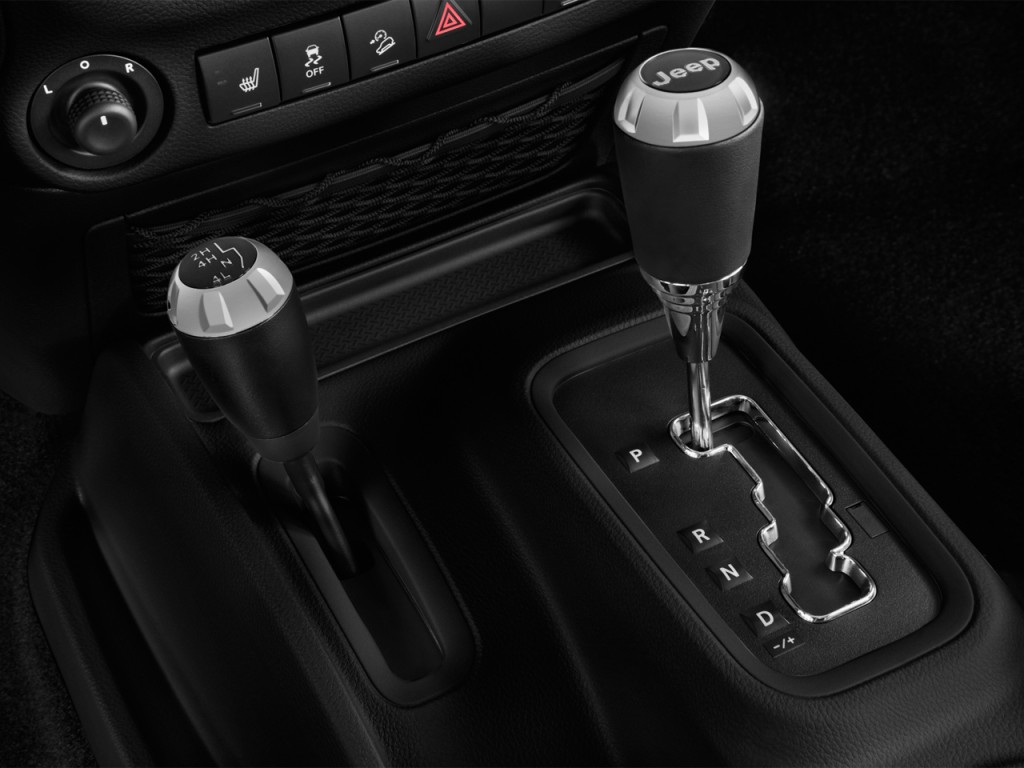
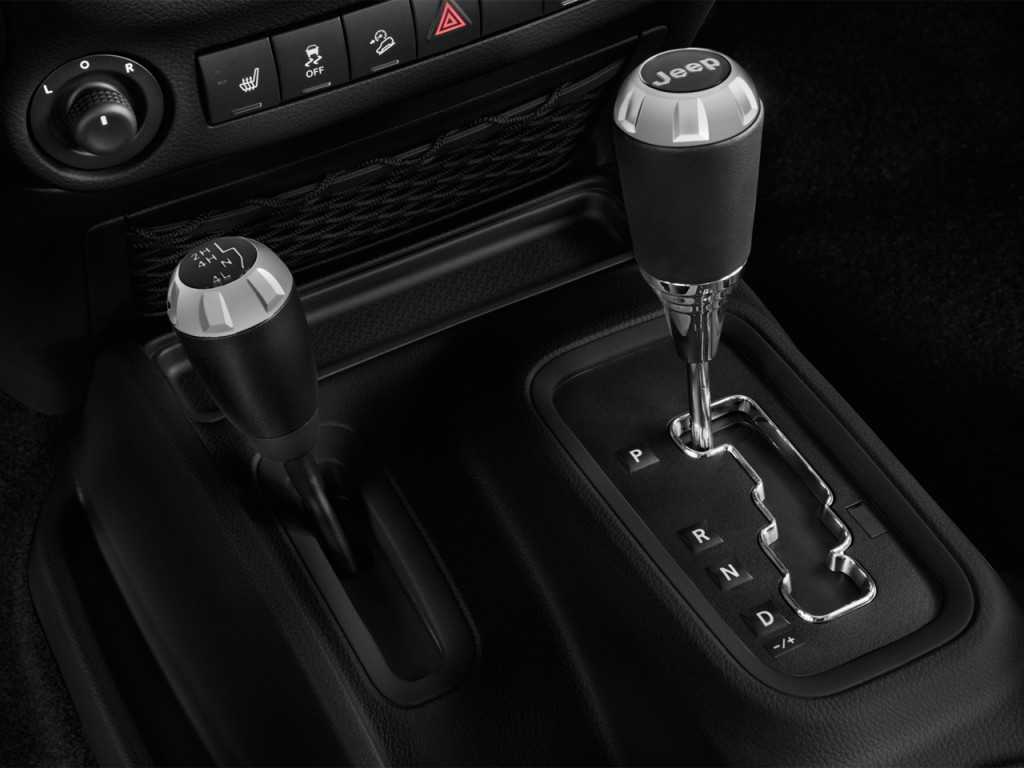
The transfer case is a small gearbox connected to the transmission. It splits power between the front and rear axles. It also controls 4WD modes such as 2H (two-wheel drive), 4H (four-wheel drive high), and 4L (four-wheel drive low).
To engage 4WD, use the transfer case shifter located near the main gear selector. For some models, shift the main transmission to Neutral or press the clutch first. Then move the transfer case lever to the desired mode.
Engaging 4wd On Manual Models
Engaging 4WD on manual Jeep Wrangler models requires understanding a few key steps. These models use a clutch and gear selector along with a transfer case lever. Proper operation ensures smooth shifting and better control on rough terrain. Follow these steps to switch between different 4WD modes safely and effectively.
Using The Clutch And Gear Selector
Press the clutch fully before shifting gears. Move the gear selector to neutral when changing 4WD modes. This prevents damage to the transmission. After shifting the transfer case lever, release the clutch slowly. This helps the Jeep engage 4WD smoothly without jerking.
Operating The Transfer Case Lever
The transfer case lever is next to the main gear selector. It controls the 4WD system modes. Move the lever firmly but carefully. Avoid forcing it to prevent damage. You may feel some resistance; this is normal. Make sure the vehicle is stopped or moving slowly before shifting.
Shifting Between 2h, 4h, And 4l
Start in 2H for regular driving on dry roads. Shift to 4H for slippery or loose surfaces. Use 4L for steep climbs or tough off-road conditions. To shift from 2H to 4H, you can usually move the lever while driving slowly. Shift into 4L only when the Jeep is stopped and in neutral. Follow these steps carefully for safe and effective 4WD use.
Engaging 4wd On Automatic Models
Engaging 4WD on automatic Jeep Wrangler models is simple and efficient. These models blend ease of use with off-road capability. Understanding the process helps you switch to four-wheel drive smoothly. This ensures better traction and control on rough terrain or slippery roads.
Shifting The Main Transmission
Start by putting your main automatic transmission into Neutral. This step is essential before engaging 4WD. Once the transfer case is set, shift the transmission back into Drive. This sequence protects the drivetrain and ensures smooth operation.
Using The Transfer Case Shifter
The transfer case shifter is usually located next to the main gear selector. It controls the 4WD modes, like 2H, 4H, and 4L. To engage 4WD, move the shifter to the desired mode. Most models allow shifting between 2H and 4H while stopped or moving slowly.
Switching Modes While Moving
You can switch from 2H to 4H while driving at low speeds. Keep your speed under 50 mph for safe shifting. Avoid switching into 4L while moving; come to a complete stop first. This method helps maintain control without damaging the system.

Credit: www.wikihow.com
When To Use Each 4wd Mode
Understanding when to use each 4WD mode on your Jeep Wrangler helps you drive safely and confidently. Each mode fits different road and weather conditions. Using the right mode improves traction, control, and fuel efficiency. Learn how to pick the correct setting for your adventure.
2h For Normal Driving
2H stands for two-wheel drive, high range. Use 2H on dry, smooth roads. It sends power to the rear wheels only. This mode gives the best fuel economy. It also reduces wear on the drivetrain. Keep 2H on during city driving and highways.
4h For Off-road And Slippery Conditions
4H means four-wheel drive, high range. Use 4H on wet, snowy, or loose surfaces. It sends power to all four wheels equally. This mode improves grip and stability on slippery roads. You can shift to 4H while moving at low speeds. Use it for gravel, mud, or light snow.
4l For Maximum Traction
4L is four-wheel drive, low range. Use 4L for tough off-road terrain and steep climbs. It delivers maximum torque at low speeds. This mode helps with deep mud, rocks, or sand. Shift into 4L only when stopped or moving very slowly. It gives you better control on difficult trails.
Tips For Smooth 4wd Engagement
Engaging the 4-wheel drive (4WD) on your Jeep Wrangler requires care. Smooth engagement protects your vehicle and improves performance. Follow these tips to avoid damage and enjoy better control off-road or in tough conditions.
Understanding how to shift properly can save you from costly repairs. It also helps you use the 4WD system effectively and confidently.
Avoiding Gear Grinding
Gear grinding happens when gears clash during shifting. To prevent this, pause briefly before shifting the transfer case lever. Let the gears slow down inside the transmission. Always shift the main transmission into neutral first. This step reduces stress on the transfer case gears. Then move the 4WD lever gently to the desired position.
Engaging 4wd On The Fly
Some Jeep Wranglers allow shifting into 4WD while moving slowly. Drive under 5 mph for the best results. Keep the wheels straight to make shifting easier. Use the transfer case lever smoothly and avoid sudden force. This method lets you adapt to changing terrain without stopping.
Troubleshooting Common Issues
If the 4WD won’t engage, check the transfer case fluid level. Low fluid can cause shifting problems. Listen for unusual noises like clunks or grinding sounds. These signals point to mechanical issues. If the lever feels stuck, do not force it. Try shifting the main transmission between neutral and drive to ease the transfer case. Seek professional help if problems continue to protect your Jeep.
Credit: www.offroadelements.com
Additional Features And Controls
The Jeep Wrangler offers more than just basic four-wheel drive. It includes extra features that improve control and safety. These controls help you handle tough terrain with confidence. Learning how to use them makes your off-road experience smoother. Below are key features to understand for engaging your Wrangler’s 4WD system.
Electronic Shift Options
The Wrangler may have electronic shift options for 4WD. Instead of a manual lever, you use buttons or switches. These controls allow quick changes between 2WD and 4WD modes. Electronic shifts reduce the effort needed to engage four-wheel drive. They work well at low speeds or while stopped. This system also helps protect the drivetrain from damage.
Locking Differentials
Locking differentials improve traction on slippery or uneven surfaces. They lock the wheels on an axle to turn at the same speed. This prevents one wheel from spinning while the other stays still. Jeep Wranglers often come with front and rear lockers. Engaging lockers helps maintain momentum in mud, snow, or rocks. Use them wisely for better grip off-road.
Hill Descent Control
Hill Descent Control helps you safely drive down steep slopes. It automatically applies brakes to keep a steady, slow speed. This system allows you to focus on steering without braking manually. It works best on rough, uneven downhill terrain. Using hill descent control reduces the risk of slipping or losing control. Many Wranglers have this feature for added safety off-road.
Maintenance For 4wd Components
Maintaining the 4WD components of your Jeep Wrangler keeps the system reliable. Proper care prevents damage and ensures smooth engagement of the four-wheel drive. Regular checks extend the life of key parts and improve off-road performance.
Simple maintenance steps save costly repairs later. Focus on critical areas like fluids, drive shafts, and system testing to keep everything in working order.
Transfer Case Fluid Checks
Transfer case fluid lubricates gears and cools the unit. Check fluid levels every 12,000 miles or yearly. Use the fluid type recommended in your owner’s manual. Low or dirty fluid can cause grinding noises or shifting problems. Change the fluid if it looks dark or smells burnt. Proper fluid helps the transfer case engage smoothly.
Inspecting Drive Shafts
Drive shafts connect the transfer case to the wheels. Inspect them for dents, cracks, or rust regularly. Check the universal joints (U-joints) for wear or looseness. Worn U-joints can cause vibrations or clunking sounds. Grease the joints if they have fittings. Replace damaged parts to avoid breakdowns on rough terrain.
Regular System Testing
Test the 4WD system often by shifting into different modes. Do this on a flat, open surface for safety. Listen for unusual noises and feel for smooth engagement. Check both high and low range modes. Early detection of issues helps avoid damage. Keep your Jeep ready for any adventure with regular system tests.
Credit: www.offroadelements.com
Frequently Asked Questions
How Do I Shift My Jeep Wranglerjl Into 4wd?
To shift your Jeep Wrangler JL into 4WD, move the transfer case lever next to the gear selector. For automatic, shift to Neutral first; then engage 4WD and return to Drive. For manual, press the clutch, shift the transfer case lever, then release the clutch.
Do You Have To Be In Neutral To Switch To 4wd Jeep?
You do not always need to be in neutral to switch to 4WD on a Jeep. Some models allow shifting while moving. Check your Jeep’s manual for exact instructions.
How To Shift To 4h In A Jeep Wrangler?
To shift to 4H in a Jeep Wrangler, move the transfer case shifter from 2H straight down to 4H. Do this while driving under 55 mph. No need to stop or use the clutch in automatic models.
How To Put A Jeep Wrangler Into 4 Wheel Drive For Snow?
Shift the transfer case lever next to the gear selector into 4H or 4L for four-wheel drive. For automatic, shift to Neutral first. For manuals, press the clutch. Then drive normally to engage 4WD, improving traction on snow.
Conclusion
Engaging the 4-wheel drive on your Jeep Wrangler is simple and effective. Use the transfer case lever to switch modes smoothly. Always follow the steps carefully for safe driving. Practice on flat ground before trying rough terrain. Knowing how to engage 4WD helps you drive confidently anywhere.
Keep your Jeep in good condition to ensure the system works well. Enjoy your off-road adventures with control and ease.