If you own a Jeep Wrangler, knowing how to use its 4 wheel drive system can make all the difference when you hit tricky roads or rough terrain. Whether you’re facing snow, mud, sand, or gravel, engaging the right 4WD mode helps you stay in control and keep moving forward with confidence.
But if you’re not sure when or how to switch between two-wheel drive, four-wheel drive high, or four-wheel drive low, you might be missing out on your Jeep’s full potential—and risking damage to your vehicle. In this guide, you’ll learn simple, step-by-step instructions to master your Wrangler’s 4WD system.
By the end, you’ll feel ready to tackle any adventure safely and smoothly. Keep reading to unlock the true power of your Jeep.
Credit: www.offroadelements.com
Jeep Wrangler 4wd Basics
The Jeep Wrangler’s four-wheel drive (4WD) system is built for tough trails and rough roads. Understanding the 4WD basics helps you drive confidently in all conditions. This system improves traction by sending power to all four wheels. It adjusts to different terrains for better control. Learning how to use these features keeps you safe and enhances your driving experience.
Below are key points about the types of 4WD modes, how the transfer case works, and the best times to use 4WD.
Types Of 4wd Modes
The Jeep Wrangler has several 4WD modes. Each mode fits different driving needs and surfaces. The common modes include:
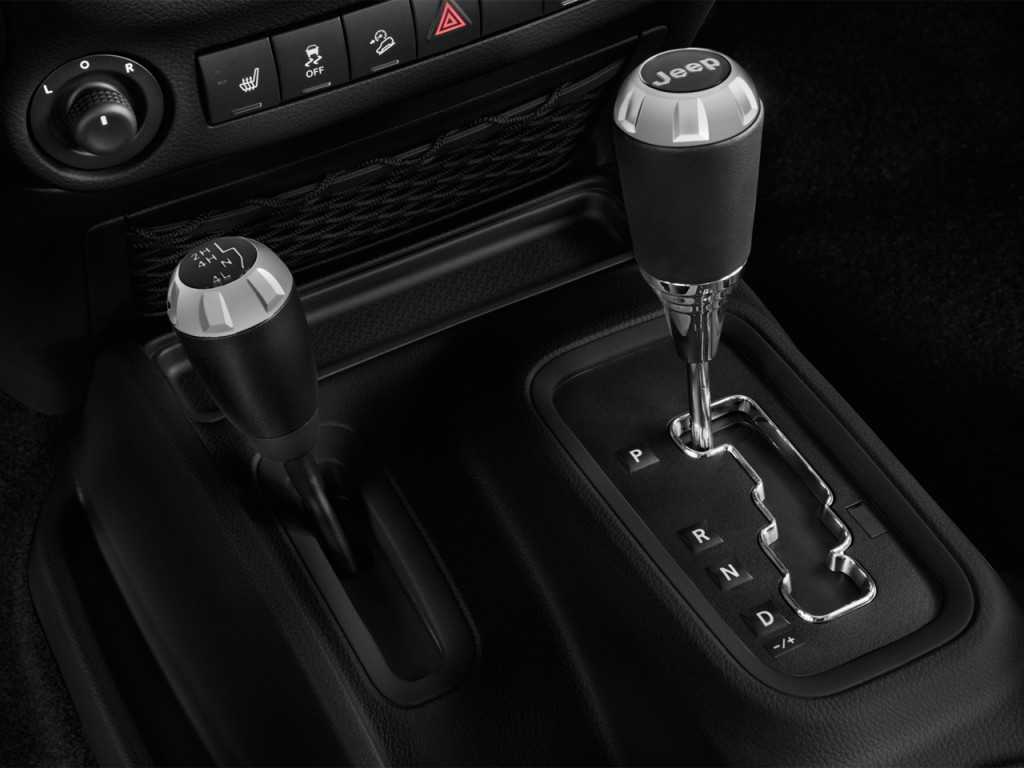
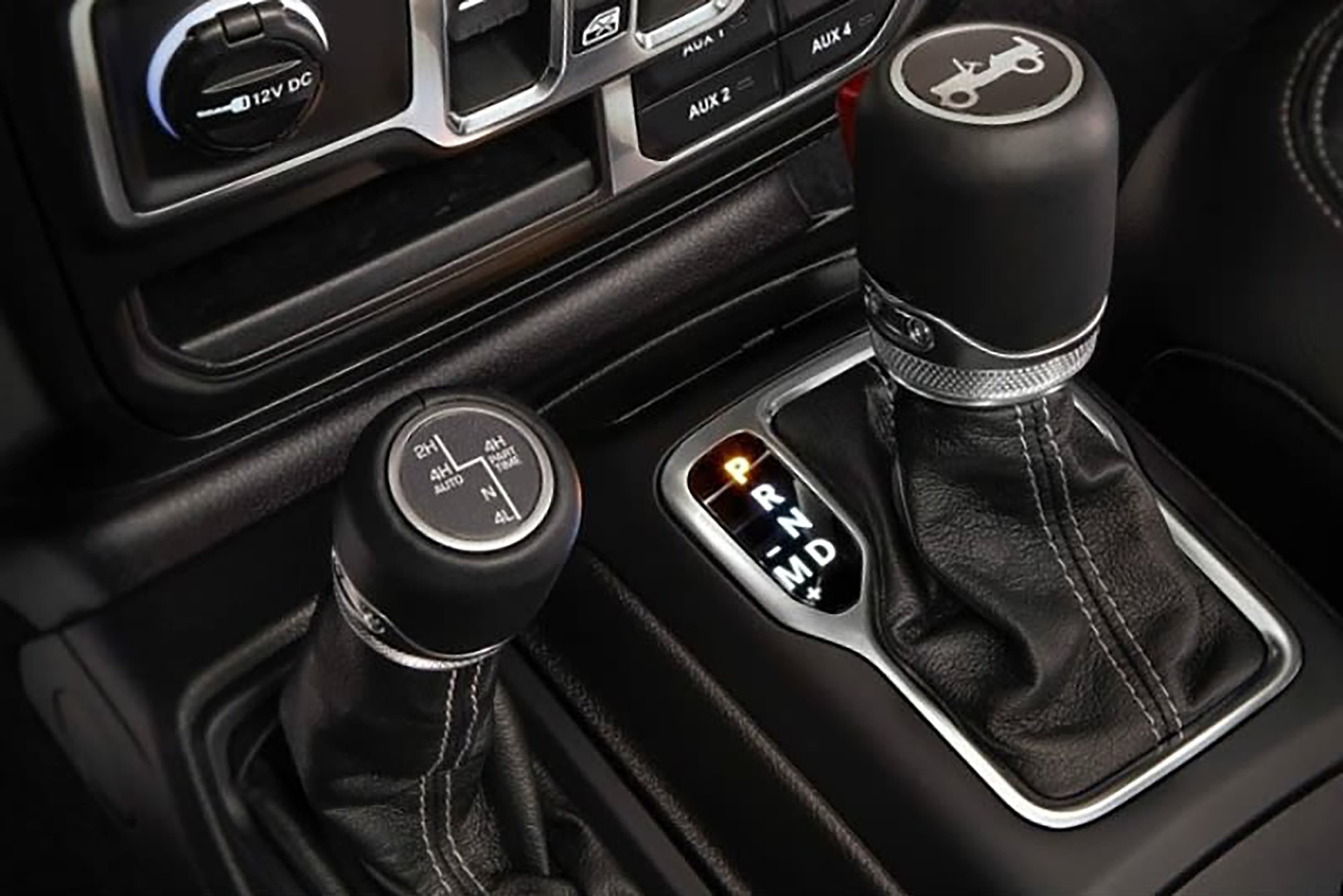
- 2H (Two-Wheel Drive High): Power goes only to the rear wheels. Use this on dry, paved roads.
- 4H (Four-Wheel Drive High): Power is sent to all four wheels at high speed. Use on slippery or loose surfaces like snow or gravel.
- 4L (Four-Wheel Drive Low): Provides maximum torque and traction at low speeds. Best for steep hills, deep mud, or rocky trails.
- N (Neutral): Disconnects the transfer case. Used mainly for towing the vehicle.
Transfer Case Functions
The transfer case controls the power split between front and rear wheels. It allows smooth switching between drive modes. The transfer case can use a clutch or a center differential. This helps the wheels turn at different speeds when needed. It prevents damage to the drivetrain on hard surfaces. Shifting from 2H to 4H can often be done while driving slowly. To engage 4L, the vehicle should be stopped and in neutral.
When To Use 4wd
Use 4WD when extra traction is needed. Examples include:
- Driving on snow, ice, or mud
- Off-road trails with loose rocks or sand
- Steep or uneven terrain
Do not use 4WD on dry, paved roads. It can cause drivetrain wear and reduce fuel efficiency. Listen for unusual noises when shifting modes. Small sounds are normal, but loud noises mean stop and check the system.
Engaging Four-wheel Drive
Engaging four-wheel drive in a Jeep Wrangler is simple and essential for off-road adventures. It improves traction and control on slippery or uneven surfaces. Knowing how and when to use each mode keeps your drive safe and smooth. Follow these steps to engage four-wheel drive correctly.
Switching To 4wd High
Use 4WD High for light off-road conditions or slippery roads. This mode powers all four wheels equally at normal speeds. To switch, slow down and shift the transfer case lever from 2H to 4H. You can usually do this while moving below 50 mph. Listen for a slight click that confirms engagement. Avoid using 4WD High on dry pavement to prevent drivetrain damage.
Using 4wd Low For Tough Terrain
4WD Low is designed for tough, slow-speed situations. Use it on steep hills, deep mud, or rocky trails. This mode provides maximum torque and control. Stop your Jeep completely before shifting to 4L. Shift the transmission into neutral, then move the transfer case lever to 4L. Wait for the system to engage before moving again. Drive slowly and carefully while in 4WD Low.
Shifting Procedures And Tips
Always shift smoothly to protect your Jeep’s drivetrain. For 2H to 4H, you can shift while moving slowly. For 4L, always stop and put the transmission in neutral. Avoid forcing the transfer case lever if it doesn’t move easily. Check your owner’s manual for specific instructions. Practice shifting in a safe area to build confidence.
Off-road Terrain Tips
Using 4 wheel drive in your Jeep Wrangler improves control and safety on tough surfaces. Off-road terrain can be unpredictable. Knowing how to adjust your driving helps you avoid getting stuck or damaging your vehicle. Follow these tips for better handling on snow, mud, sand, gravel, and rocks.
Driving On Snow And Ice
Switch to 4 wheel drive high to increase traction on slippery snow and ice. Drive slowly and avoid sudden moves. Keep a steady speed and gentle braking to prevent skidding. Maintain a safe distance from other vehicles. Use low gear if you need more control on steep or icy hills.
Handling Mud And Sand
Engage 4 wheel drive low for maximum power in thick mud or loose sand. Lower your tire pressure to improve grip. Avoid sharp turns to prevent digging in. Keep momentum steady but avoid spinning the wheels. Choose the firmest path and watch for hidden obstacles beneath mud or sand.
Navigating Gravel And Rocks
Use 4 wheel drive high to help with traction on gravel roads. Drive slowly to keep control over loose stones. On rocky trails, use 4 wheel drive low for better torque and careful wheel placement. Avoid sudden acceleration or braking to protect your tires and suspension. Watch your path to avoid large rocks that can damage your Jeep.

Credit: www.wikihow.com
Common Mistakes To Avoid
Using 4 wheel drive in your Jeep Wrangler improves traction and control. Avoiding common mistakes helps protect your vehicle and ensures smooth driving. Many drivers misuse 4WD, causing damage or poor performance. Understanding these errors keeps your Jeep safe and working well.
Driving 4wd On Dry Pavement
Engaging 4WD on dry pavement strains the drivetrain. The wheels cannot slip, causing binding in the system. This leads to tire wear and mechanical damage. Use 4WD only on slippery or loose surfaces like mud, snow, or sand. Always switch back to 2WD when driving on dry roads.
Ignoring Vehicle Sounds
Your Jeep communicates through sounds and vibrations. Strange noises during 4WD use signal problems. Ignoring these sounds can cause serious damage. Listen carefully when shifting and driving in 4WD mode. Stop and check the vehicle if you hear grinding, clunking, or whining noises.
Improper Shifting Techniques
Shifting 4WD modes incorrectly causes wear and failure. Always follow the recommended procedure in your Jeep’s manual. For example, shift into 4WD high while moving slowly, not at high speed. Use neutral when shifting into 4WD low. Avoid forcing the shifter or changing modes abruptly.
Advanced 4wd Techniques
Advanced 4WD techniques help you get the best performance from your Jeep Wrangler. These techniques go beyond basic driving modes. They allow you to handle towing, traction, and special Jeep features with ease. Understanding these methods keeps your Jeep safe and efficient in tough conditions.
Using Neutral For Towing
Neutral mode on the transfer case disconnects the wheels from the engine. This setting is essential when towing your Jeep. It prevents damage to the drivetrain. Always put the vehicle in park before shifting to neutral. Use neutral only when the Jeep is off the road and being towed. This simple step protects your Jeep’s 4WD system.
Maximizing Traction Control
Traction control helps keep your Jeep stable on slippery surfaces. It stops wheels from spinning too fast. In difficult terrain, traction control works best with 4WD engaged. This feature senses wheel slip and applies brakes to the spinning wheel. It sends power to the wheels with grip. Use traction control to maintain steady movement on mud, snow, or loose gravel.
Combining 4wd With Jeep Features
Jeep Wranglers come with features like sway bar disconnect and hill descent control. Use these together with 4WD for better off-road ability. Disconnecting the sway bar allows more wheel articulation. Hill descent control keeps a slow, steady speed on steep declines. Combining these features improves your control and safety. Practice using them in safe areas before challenging trails.
Credit: www.quadratec.com
Maintenance And Care
Proper maintenance and care keep your Jeep Wrangler’s 4 wheel drive system working smoothly. Regular checks prevent costly repairs and improve performance. Taking care of your 4WD system extends its life and ensures safety on all terrains.
Checking Transfer Case Fluid
The transfer case moves power to both front and rear wheels. Checking its fluid keeps the system lubricated and cool. Use the owner’s manual to find the correct fluid type. Check fluid levels every 15,000 miles or yearly. Low or dirty fluid can cause grinding noises or shifting problems.
To check, park on level ground and let the engine run. Remove the fill plug and look inside with a flashlight. The fluid should be clean and near the plug hole. Add fluid if needed. Replace the plug securely after checking.
Inspecting 4wd Components
Inspecting 4WD parts helps spot wear before it causes trouble. Look at drive shafts, CV joints, and boots for cracks or leaks. Check for rust on the transfer case and axles. Test the locking hubs and shift levers for smooth movement.
Listen for unusual sounds while driving, such as clunks or vibrations. These signs may mean worn parts or loose bolts. Tighten or replace parts as needed. Use a grease gun to lubricate fittings regularly. Clean off mud and debris after off-road trips.
Preparing For Off-road Trips
Preparation reduces the risk of 4WD failure during off-road adventures. Check tire pressure and tread for good traction. Make sure the 4WD engages and disengages easily before leaving. Pack tools like a jack, lug wrench, and recovery straps.
Bring extra transfer case fluid and gear oil for long trips. Test all lights and signals for safety. Inform someone about your route and expected return time. A well-maintained 4WD system and proper gear improve your off-road experience.
Frequently Asked Questions
How Do I Put My Jeep Wrangler Into 4 Wheel Drive?
To engage 4-wheel drive on your Jeep Wrangler, shift to neutral, then pull the 4WD lever down once for 4-High. Use 4-Low by shifting to neutral, stopping, then pulling the lever down twice. Engage only on slippery or off-road surfaces for best traction.
Do I Put My Jeep In 4h Or 4l For Snow?
Use 4H for driving on snowy roads at normal speeds to improve traction. Reserve 4L for deep snow or slippery, steep terrain requiring maximum torque and control. Avoid 4L on dry pavement to prevent damage.
How Does 4wd Work On A Jeep Wrangler?
The Jeep Wrangler’s 4WD uses a transfer case to send power to both front and rear wheels. It improves traction on rough or slippery terrain. Drivers can switch between 2WD, 4WD high, and 4WD low modes for different conditions.
Is The Jeep 4×4 Always On?
No, Jeep 4×4 is not always on. You activate it manually for extra traction on slippery or rough terrain.
Conclusion
Using 4 wheel drive in your Jeep Wrangler improves control on rough roads. Switch to four high for slippery surfaces like snow or gravel. Use four low for steep hills or deep mud to gain power. Always shift carefully, following the vehicle’s instructions.
Practice helps you feel confident in different conditions. This simple skill keeps your Jeep steady and safe. Drive smart and enjoy your adventures with better traction and control.