If you own a Jeep Cherokee, knowing how to put it in 4-wheel drive can make a huge difference when you’re tackling tough roads or slippery conditions. You might wonder exactly when and how to switch it on without causing damage or getting stuck.
Whether you’re cruising through mud, snow, or rough terrain, mastering your Jeep’s 4WD system gives you the confidence to handle any challenge. In this guide, you’ll learn simple, step-by-step instructions to engage 4-wheel drive the right way, so you can protect your vehicle and stay safe.
Keep reading to unlock the full potential of your Jeep Cherokee’s 4WD and drive with greater control no matter where the road takes you.
Types Of 4wd Systems
Understanding the types of 4WD systems in your Jeep Cherokee helps you use them correctly. Each system offers unique features and works differently. Knowing these can improve your driving on various terrains.
Active Drive I And Ii
Active Drive I and II are automatic 4WD systems. They send power to the rear wheels only when the front wheels slip. This helps save fuel by driving mostly in two-wheel mode.
Active Drive II adds a low-range gear for tough off-road conditions. It gives extra torque and control on steep or slippery surfaces. You can shift into low range while stopped or moving slowly.
Selec-terrain Modes
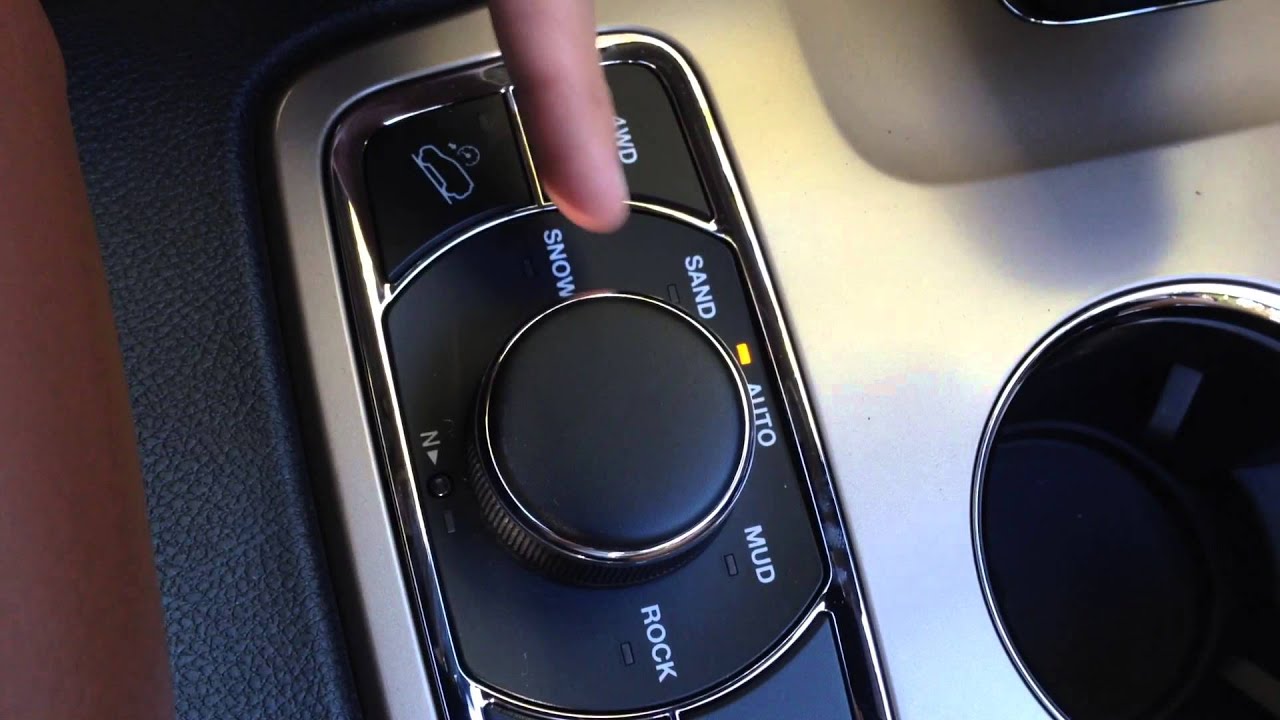
Selec-Terrain lets you choose driving modes based on road conditions. Modes include Auto, Snow, Sport, Sand, and Mud. Each adjusts power, traction control, and transmission behavior.
Turn the dial to pick the mode. The Jeep then optimizes itself for that terrain. This system helps keep traction and stability without manual 4WD shifting.
Traditional 4wd Setup
Some Jeep Cherokees use a traditional 4WD system with a transfer case lever. You manually shift between 2WD, 4WD High, and 4WD Low. This setup is common in older models.
To engage 4WD, shift the gear to Neutral first. Then move the transfer case lever to the desired 4WD mode. Wait for the indicator light to turn solid before driving.

Credit: www.youtube.com
Preparing To Engage 4wd
Troubleshooting 4WD issues in your Jeep Cherokee helps maintain safe, reliable driving. Problems with the 4-wheel drive can cause poor traction and vehicle control. Knowing how to spot and fix common issues saves time and money.
Indicator Light Problems
The 4WD indicator light shows if the system is active. Sometimes the light may not turn on or stay flashing. A blinking light often means the system is trying to engage but cannot. Check your owner’s manual for specific light codes. A faulty sensor or electrical connection can cause light problems. Clean the sensor area and check wiring for damage.
Engagement Failures
Your Jeep might fail to shift into 4WD. This can happen if the transfer case or shift motor has a problem. Low fluid levels in the transfer case may cause engagement issues. Try shifting at low speeds and ensure the vehicle is in neutral if required. If 4WD still does not engage, inspect the vacuum lines and linkages. Mechanical wear or broken parts can also stop engagement.
When To Visit A Mechanic
If simple checks do not solve 4WD issues, visit a mechanic. Persistent indicator light problems or engagement failures need professional diagnosis. A mechanic can test electronic controls and mechanical parts. Avoid driving in 4WD if the system acts strangely to prevent damage. Early repairs keep your Jeep reliable and safe on all terrains.
Engaging 4wd In Active Systems
Driving in 4-wheel drive (4WD) changes how your Jeep Cherokee handles the road. It improves traction and control on tough surfaces. Knowing when and how to use 4WD helps you stay safe and get the best performance. Below are key tips for driving in 4WD.
When To Use 4wd
Use 4WD on slippery or uneven surfaces. This includes mud, snow, ice, sand, and rocky trails. Avoid using 4WD on dry, paved roads. It can cause extra wear on your drivetrain and tires. Switch to 2WD for regular city or highway driving to save fuel and reduce stress on your vehicle.
Driving On Different Terrains
On mud or sand, keep a steady speed to avoid getting stuck. Use low gear for better power and control on hills or steep paths. In snow or ice, drive slowly and avoid sharp turns. On rocks, move carefully and choose your path to avoid damage. Always adjust your speed and steering to match the terrain.
Fuel Efficiency Considerations
Driving in 4WD uses more fuel than 2WD. The extra power and traction increase engine load. Use 4WD only when needed to save gas. Turn off 4WD when you return to normal roads. Proper tire pressure and regular maintenance also help improve fuel efficiency.
Credit: www.youtube.com
Frequently Asked Questions
How To Activate 4wd On Jeep Cherokee?
Shift the gear lever to Neutral. Wait for the 4WD indicator light to become solid. Then, shift back to Drive or Reverse. Use the Selec-Terrain dial to select your desired mode (Auto, Snow, Sport, Sand, or Mud) for optimized 4WD performance.
Is My Jeep Cherokee Always In 4 Wheel Drive?
No, the Jeep Cherokee is not always in 4-wheel drive. It uses automatic or selectable modes for 4WD engagement.
How Do I Put My Jeep Into 4 Wheel Drive?
Shift the transmission to Neutral (N). Turn the 4WD selector or lever to the desired mode. Wait for the indicator light to stay solid. Then shift back to Drive (D) or Reverse (R).
Should A Jeep Be In 4wd High Or Low For Snow?
Use 4WD high for driving on snowy roads at normal speeds to improve traction. Reserve 4WD low for deep snow or steep, slippery terrain requiring extra torque. Always consult your Jeep’s manual for specific model guidance.
Conclusion
Engaging your Jeep Cherokee’s 4-wheel drive is simple and useful. Follow the steps carefully to ensure proper activation. Using the right mode helps you drive safely on rough or slippery roads. Practice shifting while parked to get comfortable. Remember, each Jeep model may have slight differences in controls.
Always check your owner’s manual for specific instructions. With this knowledge, you can confidently handle various terrains. Enjoy your Jeep’s enhanced traction and control on every adventure. Stay safe and drive smart.