If you’re a Jeep enthusiast or just curious about what makes the Jeep Wrangler JL stand out from its predecessor, the JK, you’re in the right place. You might be wondering—what exactly changed between these two models?
How do those changes affect your driving experience, comfort, and off-road capability? Whether you own a JK or are thinking about upgrading to a JL, understanding the key differences can help you decide what fits your needs best. Stick with me as we break down the major updates, from design tweaks to tech improvements, so you get the full picture and can make an informed choice about your next Jeep adventure.
Credit: stateofspeed.com
Exterior Design Changes
The Jeep Wrangler JL brought fresh exterior design updates compared to the JK model. These changes improve both looks and function. The new design keeps the classic Jeep style yet feels more modern and sharp. Each detail was rethought to enhance the vehicle’s presence on and off the road.
Below, we explore the key exterior design differences between the JK and JL Wranglers. From the grille to door handles, these updates give the JL a distinct and refined appearance.
Grille And Headlight Updates
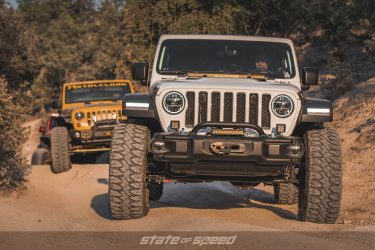
The JL features a contoured grille that curves forward slightly. This adds depth and style compared to the flat grille on the JK. The JL grille has narrower slots, creating a sleeker look.
Headlights also changed. The JL comes standard with LED headlights that are round but slimmer and more modern. The JK had optional LED headlights but mostly used halogen lights. The new headlights improve nighttime visibility and give the JL a sharper face.
Fender Flares And Light Signals
The JL adds wider fender flares designed for better airflow and protection. These flares have a more angular shape than the JK’s rounded ones. This change helps reduce dirt buildup and improves off-road durability.
Fender light signals are new on the JL. These small lights sit on the flares to increase visibility. The JK lacked these lights, which enhances safety on the road and trails.
Door Handles And Vents
The JL uses pull-style door handles that are easier to grip. The JK had thumb-push button handles, which some found less convenient. The new handles also look more modern and fit the overall design update.
The JL includes rear body vents behind the doors. These vents help with cabin airflow and add a sporty touch. The JK did not have these vents, making the JL stand out with this subtle but functional detail.
Performance Enhancements
The Jeep Wrangler JL brought several key performance upgrades over the JK model. These changes improved power, handling, and off-road ability. Jeep aimed to make the JL stronger and more capable on diverse terrains. The enhancements focus on the engine, transmission, suspension, and off-road features.
Engine And Transmission Options
The JL offers more engine choices than the JK. It includes a 2.0-liter turbocharged four-cylinder engine. This engine delivers quicker acceleration and better fuel efficiency. The traditional 3.6-liter V6 engine also got updates for more power and torque. Jeep added an eight-speed automatic transmission replacing the JK’s five- and six-speed options. This new transmission smooths shifts and improves fuel economy. Manual transmission remains available for driving enthusiasts.
Suspension And Ride Quality
The JL uses an improved suspension system for a smoother ride. It features revised springs and shocks that absorb bumps better. The steering is more responsive and precise, adding to driver confidence. Jeep reworked the frame and body mounting points to reduce vibrations. Passengers feel less road noise and roughness. Overall, the JL rides more comfortably on and off-road than the JK.
Off-road Capabilities
The JL enhances off-road performance with better ground clearance and approach angles. It comes with improved skid plates for protecting vital components. Jeep upgraded the Dana 44 axles for stronger durability. The new model offers better water fording ability with higher air intake placement. Electronic sway bar disconnects are standard on some trims. These features help the JL tackle rough trails with greater ease and confidence.
Interior Upgrades
The Jeep Wrangler JL brought several interior upgrades compared to the JK. These changes improved comfort, technology, and usability inside the cabin. The design updates make the JL feel more modern and user-friendly. Jeep aimed to enhance the driving experience with thoughtful details and better materials.
Comfort And Seating
The JL offers more comfortable seats with better support. It uses higher-quality materials for a softer feel. The front seats have improved adjustments for a better fit. Rear passengers enjoy more legroom and headroom. Noise reduction inside the cabin also improved, making rides quieter. These changes make long trips easier on the body.
Technology And Infotainment
The JL features a larger touchscreen with sharper graphics. It supports Apple CarPlay and Android Auto as standard. The system responds faster and is easier to navigate. Jeep added more USB ports for device charging. The instrument cluster got a digital display option. Audio systems in the JL have better sound quality. These tech upgrades keep drivers connected and entertained.
Storage And Convenience Features
The JL provides more practical storage solutions inside. Door pockets and center consoles are larger and better designed. There are new cup holders that securely hold different sizes. The glove box is bigger and easier to access. Jeep added more hooks and tie-down points for gear. These small changes help keep the interior organized and tidy.
Safety And Security Features
The Jeep Wrangler JL brought key upgrades in safety and security compared to the JK model. These changes aim to protect drivers and passengers better. Jeep added new features and improved old ones to meet modern safety standards.
Below, explore the main safety and security improvements found in the JL over the JK.
Advanced Driver Assistance
The JL includes driver assistance features that the JK lacked. Forward Collision Warning helps prevent crashes by alerting drivers of possible collisions. Blind Spot Monitoring alerts when vehicles enter your blind spots. Rear Cross Path Detection warns of crossing traffic when backing up. These assist systems improve awareness and reduce accident risk.
Structural Improvements
The JL has a stronger frame and body design. Jeep reinforced the frame for better crash protection. The JL uses more high-strength steel to enhance rigidity. This improves rollover resistance and side-impact safety. The windshield frame is also stronger, helping maintain cabin integrity in a rollover. These upgrades boost overall occupant protection.
Security Systems
The JL offers improved security features over the JK. It comes with a standard keyless entry system for easier access. An upgraded alarm system detects intrusion attempts more effectively. Jeep also introduced a remote start option with security locks. These features help protect the vehicle against theft and unauthorized use.
Fuel Efficiency And Environmental Impact
The Jeep Wrangler JK and JL models show clear changes in fuel efficiency and environmental impact. These updates reflect Jeep’s effort to meet modern standards. Fuel economy and emissions are important for many Jeep buyers. Understanding these differences helps in choosing the right model.
Engine Efficiency
The JL features more efficient engines than the JK. Jeep improved fuel delivery and reduced engine weight. The JL’s engines offer better miles per gallon. This means drivers spend less on fuel. The JK’s older engines use more fuel on average. Engine tuning in the JL also improves performance and economy.
Emissions Standards
The JL meets stricter emissions rules than the JK. Jeep updated the exhaust system to reduce pollutants. The JL produces fewer harmful gases like nitrogen oxides and carbon monoxide. These improvements help the JL pass tougher environmental tests. The JK’s emissions are higher by comparison. Cleaner emissions make the JL more eco-friendly.
Hybrid Or Alternative Fuel Options
The JL introduces mild hybrid technology, unlike the JK. This system helps save fuel by assisting the engine. Jeep plans more alternative fuel versions for the JL. The JK has no hybrid or electric options. Hybrid systems in the JL reduce fuel use in city driving. This makes the JL a greener choice for eco-conscious buyers.

Credit: www.shopjeepparts.com
Maintenance And Reliability
Maintenance and reliability play a key role in choosing between the Jeep Wrangler JK and JL. Both models have strengths and weaknesses in these areas. Understanding the differences helps Jeep owners keep their vehicles in good shape. This section reviews the build quality, common problems, and warranty details of both models.
Build Quality Comparisons
The JK is known for its rugged and simple build. It uses fewer electronics, which means fewer parts can fail. The JL features more modern materials and improved rust protection. It has better sealing to reduce leaks and noise. However, the JL’s newer tech can sometimes cause maintenance challenges. Both models have strong frames but the JL feels more refined inside.
Common Issues And Repairs
The JK often faces problems with door hinges and rust on the frame. Its electrical system is basic but reliable. The JL introduced new engines and electronics, which have some early reliability concerns. Some JL owners report issues with the transmission and infotainment system. Brake and suspension parts wear similarly on both models. Repair costs for the JL tend to be slightly higher due to advanced components.
Warranty And Service
Jeep offers a basic warranty for both JK and JL. The JL comes with a slightly longer coverage period on powertrain parts. Jeep dealers provide similar maintenance packages for both models. Service intervals remain mostly the same, focusing on oil changes, brake checks, and tire rotations. Owners find that dealer service costs are higher for the JL, reflecting its newer technology. Regular maintenance ensures longevity for both Wranglers.
Cost And Value Considerations
Cost and value play a big role when choosing between the Jeep Wrangler JK and JL. Both models offer distinct features and updates that affect their price and worth over time. Understanding these factors helps buyers make smart decisions.
This section breaks down the pricing differences, resale value, and whether upgrading to the JL makes sense financially.
Pricing Differences
The Jeep Wrangler JL launched with a higher base price than the JK. New technology and design improvements increased production costs. Buyers pay more upfront for features like LED headlights and advanced safety options. The JK remains less expensive in the used market. Pricing depends on trim levels and condition for both models.
Resale Value
JL models tend to hold their value better than JKs. Newer technology and updated styling appeal to buyers. The JL’s improved fuel efficiency and comfort add to resale appeal. JKs depreciate faster but cost less initially. Factors like mileage, maintenance, and overall condition impact resale value for both.
Is Upgrading Worth It?
Deciding to upgrade depends on budget and needs. The JL offers better fuel economy, comfort, and safety features. These benefits may justify the higher cost over time. The JK suits buyers on a tighter budget or those who prefer a classic design. Consider long-term costs like repairs and fuel before upgrading.

Credit: stateofspeed.com
Model Identification Tips
Identifying whether a Jeep Wrangler is a JK or JL model helps understand its features and upgrades. Both models share the iconic Jeep look, but they have distinct differences. Recognizing these differences is easy with a few simple tips. These tips cover how to spot visual changes, read badges and labels, and note year and trim details.
Visual Differences
The JK model has a flat front grille with seven slots. The JL grille is contoured and curves slightly inward. Headlights on the JL are round with LED rings around them. JK headlights are simpler and do not have LED rings standard.
Fender flares on the JL are wider and have a more modern shape. The JK fender flares are narrower and boxier. JL models include small LED signal lights on the fenders. JK models do not have these lights.
Badging And Labels
Jeep uses different badges on the JK and JL models. The JL badge usually shows a more modern font and design. Look for a “JL” or “Wrangler JL” badge near the front doors or rear. JK badges often say “JK” or “Wrangler JK” and look more classic.
Inside the vehicle, the dash and seats may have labels showing the model. JL models often have newer logos on the steering wheel and dash. JK badges may look older or simpler.
Year And Trim Variations
The JK was produced from 2007 to 2018. The JL began production in 2018 and continues today. Knowing the year of manufacture helps identify the model.
Trim options also differ. JL trims include new packages like the Rubicon Recon. JK trims have older names like Sahara and Sport. These trim names are usually on the doors or rear of the vehicle.
Frequently Asked Questions
How To Tell If You Have A Jl Or Jk Jeep Wrangler?
Check the grille shape: JK has a flat grille; JL features a contoured, sleeker grille with standard LED headlights and fender flares.
When Did Wrangler Switch From Jk To Jl?
Jeep Wrangler switched from the JK to the JL model in the 2018 model year. The JL introduced improved design and features.
Is A Jeep Jk Or Jl Better?
The Jeep JL offers improved comfort, updated design, and better fuel efficiency. The JK is simpler and more rugged. Choose JL for modern features; JK for classic durability.
Is It Worth Upgrading From Jk To Jl?
Upgrading from JK to JL offers improved comfort, advanced tech, better fuel efficiency, and enhanced safety features. It’s worth it for daily driving and off-road use.
Conclusion
The Jeep Wrangler JL offers many upgrades over the JK model. It has improved comfort, better fuel efficiency, and more modern features. The exterior design is sharper and more aerodynamic. Safety and technology also saw important improvements. Both models have their strengths, but the JL suits drivers wanting newer updates.
Choosing between them depends on your needs and budget. Overall, the JL moves the Wrangler forward with thoughtful changes.