If you’re thinking about getting a Jeep Wrangler JL or just curious about what powers this rugged off-roader, you’ve come to the right place. Knowing what engine the Jeep Wrangler JL has is key to understanding its performance, fuel efficiency, and off-road capabilities.
Whether you want to conquer tough trails around Austin, Texas, or cruise city streets, the right engine makes all the difference. You’ll discover the different engine options available for the Jeep Wrangler JL, what makes each one special, and which might be the best fit for your driving style.
Ready to find out what’s under the hood? Let’s dive in.
Jeep Wrangler Jl Engine Options
The Jeep Wrangler JL offers a variety of engine options. Each engine suits different driving needs and styles. Buyers can choose from gasoline, diesel, and hybrid powertrains. These options enhance performance and fuel efficiency.
Understanding each engine helps in making a smart choice. Below are the key engine options for the Jeep Wrangler JL.
3.6l Pentastar V6
The 3.6L Pentastar V6 is the standard engine for many Wrangler JL models. It produces 285 horsepower and 260 lb-ft of torque. This V6 delivers smooth and reliable power for off-road and city driving. It pairs with either a six-speed manual or an eight-speed automatic transmission. This engine balances power and fuel economy well.
2.0l Turbocharged Inline-4
The 2.0L turbocharged inline-4 engine offers a boost in performance. It generates 270 horsepower and 295 lb-ft of torque. This engine features direct injection and a twin-scroll turbocharger for better throttle response. It comes with an eight-speed automatic transmission. This option is lighter and more fuel-efficient than the V6.
3.0l Ecodiesel V6
The 3.0L EcoDiesel V6 provides strong torque and excellent fuel economy. It produces 260 horsepower and 442 lb-ft of torque. This diesel engine is great for towing and long-distance driving. It uses clean diesel technology to reduce emissions. The EcoDiesel pairs with an eight-speed automatic transmission.
4xe Plug-in Hybrid
The 4xe plug-in hybrid combines a 2.0L turbocharged engine with electric motors. It delivers a total of 375 horsepower and 470 lb-ft of torque. The hybrid system allows for short, all-electric trips with zero emissions. It charges using a standard home outlet or public chargers. This option offers both power and eco-friendly driving.
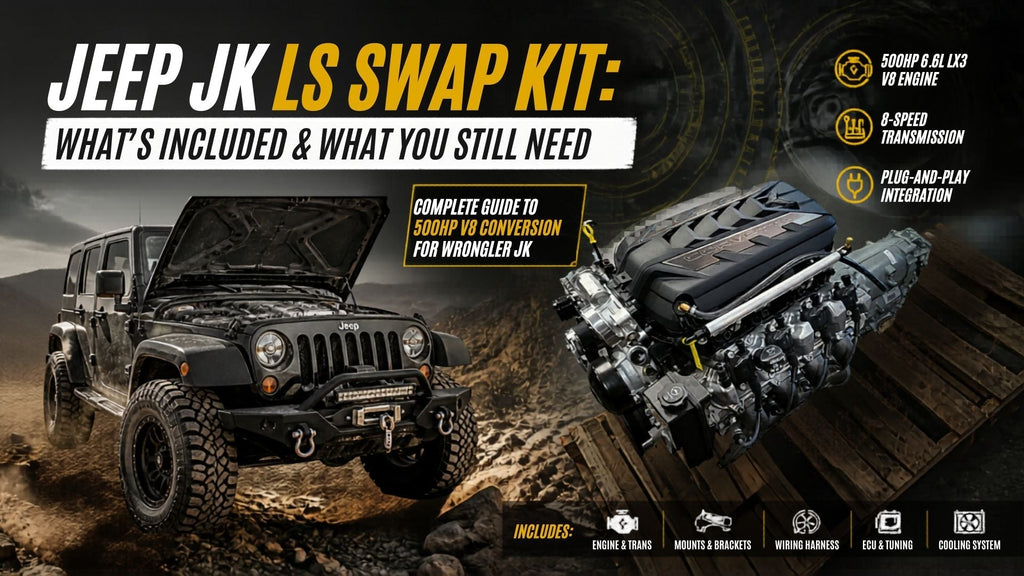
Credit: bruiserconversions.com
Engine Performance And Power
The Jeep Wrangler JL offers a range of engines built for strong performance and reliable power. Each engine is designed to provide a balance between power and control. These engines support the Wrangler’s rugged nature, whether on city roads or rough trails. Understanding the engine’s performance details helps you choose the right model for your needs.
Horsepower And Torque Ratings
The standard 3.6-liter V6 engine delivers 285 horsepower. It produces 260 pound-feet of torque. The 2.0-liter turbocharged inline-4 engine offers 270 horsepower. This engine generates 295 pound-feet of torque. There is also a 3.0-liter EcoDiesel V6 option. It provides 260 horsepower with 442 pound-feet of torque. These power figures ensure strong acceleration and towing ability.
Fuel Efficiency
The 2.0-liter turbo engine gives better fuel economy than the V6. It achieves around 22 miles per gallon in the city. On the highway, it reaches about 24 mpg. The 3.6-liter V6 averages 17 mpg city and 25 mpg highway. The EcoDiesel V6 is the most efficient, with about 22 mpg city and 29 mpg highway. Fuel savings matter on long trips and daily drives.
Off-road Capabilities
The Wrangler JL engines provide strong low-end torque for off-road use. The diesel engine’s high torque helps on steep climbs. The turbocharged engine offers quick throttle response on trails. The V6 engine balances power and smoothness for varied terrain. These engines work with the Wrangler’s 4×4 systems. This combination delivers excellent traction and control in tough conditions.
Mild Hybrid System Features
The Jeep Wrangler JL offers a mild hybrid system to enhance engine performance and efficiency. This system blends electric power with the traditional engine to improve driving experience. It helps reduce fuel use and emissions while keeping power strong.
The mild hybrid setup supports smooth starts and stops. It also boosts torque during acceleration. The system works quietly and does not need charging like full hybrids or electric cars.
Etorque Technology
eTorque technology uses a small electric motor connected to the engine. It helps the engine by adding extra torque when needed. This motor also recovers energy during braking and stores it in a battery. It supports the engine during acceleration and reduces engine load.
This technology improves throttle response and makes driving smoother. It also lowers engine strain, which can increase engine life. eTorque works quietly and efficiently without affecting the Jeep’s off-road abilities.
Start/stop System Benefits
The mild hybrid system includes a start/stop feature. It turns off the engine when the vehicle is stopped. This saves fuel and cuts down on emissions in traffic or at lights. When the driver releases the brake, the engine restarts instantly.
The system works seamlessly to avoid delays or jerks. It reduces idling time, which wastes fuel. This feature helps the Wrangler meet stricter environmental rules while improving city driving efficiency.
Impact On Fuel Economy
The mild hybrid system helps improve fuel economy by reducing engine work. Electric assistance lowers fuel use during acceleration and hill climbs. The start/stop system cuts fuel waste during idle times.
Drivers may notice better miles per gallon in city driving. Highway fuel economy also benefits from reduced engine load. Overall, the system helps the Jeep Wrangler JL deliver stronger performance with less fuel.

Credit: www.youtube.com
4xe Plug-in Hybrid Details
The Jeep Wrangler JL 4xe plug-in hybrid blends traditional power with electric innovation. It offers a cleaner ride without losing Jeep’s rugged spirit.
This model combines a gasoline engine and electric motors. It provides strong performance and better fuel efficiency.
Electric Motor Specs
The 4xe features two electric motors. One motor drives the front wheels. The other assists the gasoline engine at the rear.
These motors deliver instant torque. They help with smooth acceleration and off-road control.
Battery Range And Charging
The Wrangler 4xe uses a 17-kWh lithium-ion battery. It powers the electric motors alone for short trips.
The battery offers about 21 miles of electric range. Charging takes roughly 2 hours with a Level 2 charger.
Hybrid Power Output
The combined system produces 375 horsepower. It also generates 470 lb-ft of torque.
This power boosts towing and off-road ability. It keeps the Jeep strong and capable.
Comparing Jl Engines To Previous Models
Comparing the Jeep Wrangler JL engines to previous models reveals clear advancements. The JL series builds on the JK’s foundation while adding modern features. These changes improve power, efficiency, and reliability. Understanding these differences helps buyers make informed choices.
The JL engines focus on better performance and fewer issues. They offer new technology that the JK engines lack. These updates address common problems and enhance the driving experience. Exploring these details highlights the progress Jeep has made.
Differences From Jk Engines
The JL engines include new options like a 2.0L turbocharged four-cylinder. This engine replaces some JK models’ older V6s. The 3.6L Pentastar V6 returns but with improvements. These changes boost fuel economy and power output.
Jeep added a mild hybrid system to the JL engines. This system helps save fuel and reduce emissions. The engine start-stop feature is another new addition. It shuts off the engine when the vehicle stops, saving gas.
Improvements And Upgrades
The JL engines use lighter materials for better efficiency. They feature improved cooling systems for longer engine life. Transmission options also received upgrades for smoother shifts. These upgrades support off-road performance and everyday driving.
Noise and vibration levels dropped significantly in the JL. This makes rides quieter and more comfortable. The engine’s tuning changed to offer better low-end torque. That helps in tough off-road conditions and towing.
Common Issues To Avoid
Some early JL engines showed oil consumption problems. Jeep addressed this with updated parts in later models. Turbocharged engines may face carbon buildup if not maintained well. Regular oil changes and proper care prevent most issues.
The start-stop system sometimes causes battery drain if ignored. Drivers should check battery health regularly to avoid failures. Using high-quality fuel and fluids helps engine longevity. Avoiding rough driving during break-in protects the engine.
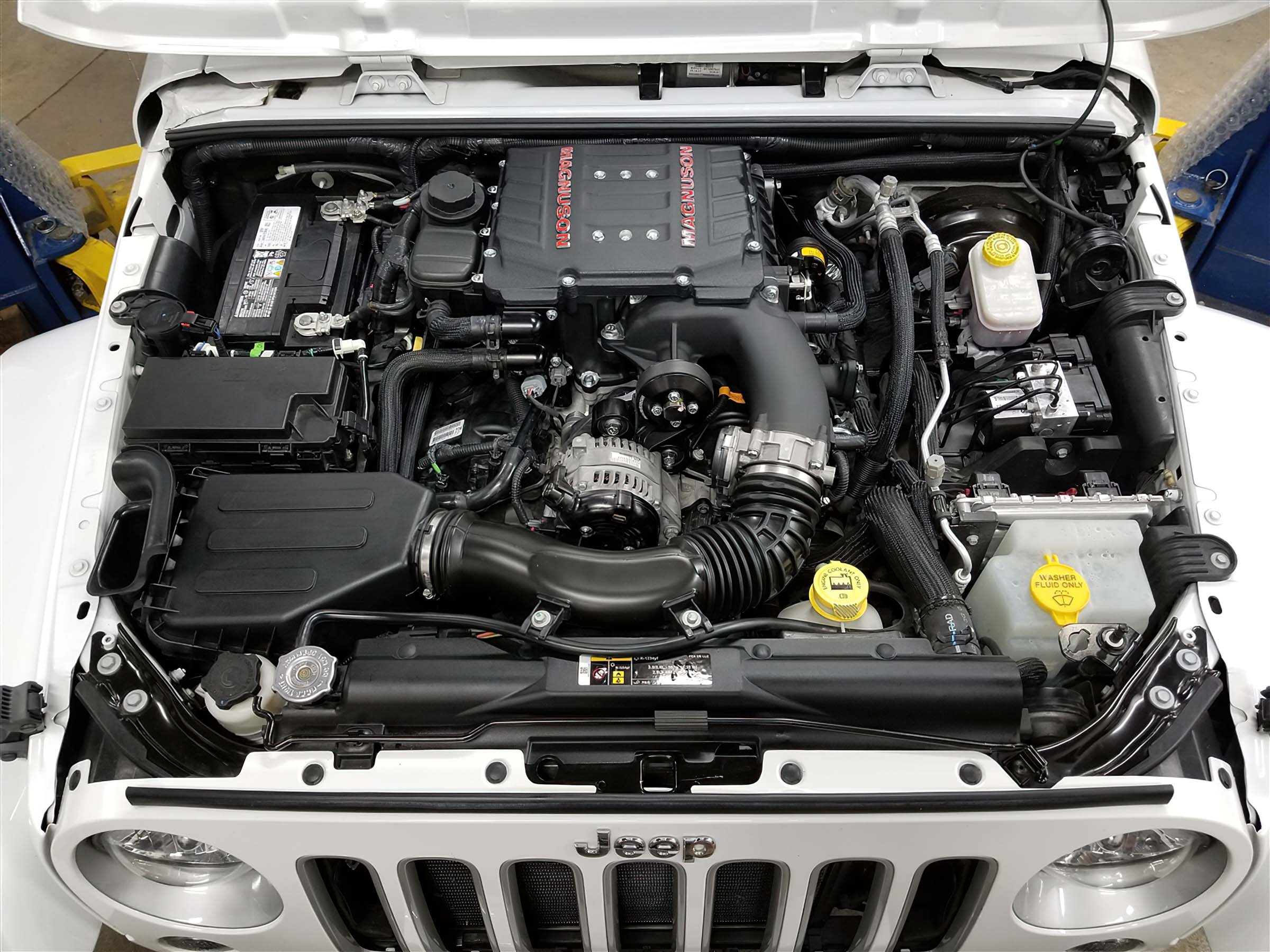
Credit: magnusonsuperchargers.com
Choosing The Right Engine
Choosing the right engine for the Jeep Wrangler JL affects your driving experience greatly. The engine determines power, efficiency, and how the vehicle handles different terrains. Knowing the options helps pick an engine that fits your needs.
This guide breaks down the engine choices for off-roading, daily driving, and fuel economy. Each engine suits different purposes and lifestyles.
Best Engine For Off-roading
The 3.6L V6 engine is popular among off-road fans. It delivers strong torque and reliable power for tough trails. This engine pairs well with Jeep’s 4×4 system to tackle mud, rocks, and steep climbs.
Its smooth power delivery helps maintain control in rough conditions. The 3.6L V6 balances strength and durability for serious off-road adventures.
Engine Options For Daily Driving
The 2.0L turbocharged inline-4 engine suits daily use. It offers enough power for city and highway driving while keeping the ride smooth. This engine provides quicker acceleration and responsive handling.
Many drivers appreciate its smaller size, which makes parking and maneuvering easier. It delivers a good mix of performance and comfort for everyday travel.
Considering Fuel Economy Needs
Fuel economy varies across engines, so consider your driving habits. The 2.0L turbo engine generally uses less fuel than the larger V6. It fits drivers who want to save money on gas.
The diesel option, available in some models, offers even better mileage. This engine suits long-distance drivers who prioritize fuel efficiency.
Choose the engine that matches your budget and how far you typically drive.
Transmission And Drivetrain Pairings
The Jeep Wrangler JL offers a variety of transmission and drivetrain options designed to enhance both on-road comfort and off-road capability. Each combination is crafted to match the engine’s power and the vehicle’s rugged nature. Understanding these pairings helps in choosing the right model for specific driving needs.
The transmission and drivetrain systems work together to deliver power efficiently. They influence how the Wrangler handles different terrains. Jeep’s engineering ensures smooth shifts and reliable traction for adventurous drives.
Manual Vs Automatic Options
The Jeep Wrangler JL comes with both manual and automatic transmissions. The manual option is a six-speed gearbox. It offers more control, ideal for off-road enthusiasts who want to manage gear selection manually. The automatic transmission is an eight-speed unit. It provides smoother shifts and better fuel efficiency on highways. Both transmissions pair well with the available engines, offering flexibility based on driver preference.
Select-track Transfer Case
One standout feature is the Select-Track transfer case. This system allows drivers to switch between different drive modes easily. Modes include 2WD, 4WD High, Neutral, and 4WD Low. This versatility improves traction on various surfaces like mud, sand, and rocks. The transfer case helps the Wrangler adapt quickly to changing conditions for safer, more confident driving.
4wd System Performance
The Wrangler JL’s 4WD system is built for durability and performance. It uses heavy-duty axles and electronic lockers to enhance grip. The system distributes power evenly to all wheels, preventing slippage. This setup excels in tough off-road environments. It also improves stability and handling on slippery roads. Jeep’s 4WD system ensures the Wrangler JL remains capable in all driving scenarios.
Maintenance And Reliability
The Jeep Wrangler JL offers strong engines designed for off-road adventures and daily driving. Keeping these engines well-maintained ensures they stay reliable over time. Regular care helps prevent costly repairs and keeps the Wrangler ready for any terrain.
Understanding common maintenance needs and potential issues helps owners protect their investment. Jeep also provides warranty and service support that gives peace of mind. This section covers key tips and concerns related to the Jeep Wrangler JL engines.
Common Engine Maintenance Tips
Change the oil and filter regularly, following Jeep’s schedule. Use the recommended oil type for best performance. Check coolant levels to avoid overheating during tough drives. Inspect air filters often, especially when driving in dusty areas. Keep spark plugs clean to maintain smooth engine firing. Monitor belts and hoses for cracks or wear. Address any engine warning lights immediately to avoid damage.
Potential Engine Concerns
Some Jeep Wrangler JL engines may face issues like rough idling or hesitation. Turbocharged models might need extra care with the turbo system. Watch for oil leaks, which can lead to engine problems. Cooling system failures can cause overheating, so check it regularly. Fuel system clogs may reduce power and efficiency. Early detection of these issues reduces repair costs and downtime.
Warranty And Service Support
Jeep offers a basic warranty that covers most engine repairs for several years. Powertrain warranties provide extra coverage for engine components. Scheduled maintenance plans help keep the engine in top shape. Certified Jeep service centers have trained technicians familiar with the JL engines. Using genuine Jeep parts ensures compatibility and reliability. Regular visits to service centers can catch problems early and maintain warranty validity.
Frequently Asked Questions
Which Wrangler Has The Best Engine?
The Jeep Wrangler Rubicon with the 3. 6L V6 engine offers strong performance and reliability. The 2. 0L turbocharged engine delivers better fuel economy and power. The 3. 0L EcoDiesel provides excellent torque and fuel efficiency for off-roading. Choose based on your needs.
What Engine To Avoid In Jeep Wrangler?
Avoid the 2. 0L turbocharged engine if reliability concerns and higher maintenance costs matter most in a Jeep Wrangler.
Which Engine Is Better For A Jeep Wrangler, A V6 Or A Turbo 4?
The V6 engine offers stronger torque and better off-road performance. The turbo 4 provides improved fuel efficiency and quicker acceleration. Choose V6 for rugged use and turbo 4 for daily driving and economy.
What Does Jl Mean For A Jeep Wrangler?
JL refers to the fourth generation of the Jeep Wrangler, produced from 2018 onward. It features updated design, technology, and engine options.
Conclusion
The Jeep Wrangler JL offers several engine choices to suit different needs. You can pick from a V6, turbocharged four-cylinder, or even a diesel option. Each engine provides a balance of power and efficiency for off-road and daily driving. Understanding these options helps you decide which fits your style best.
Choosing the right engine makes your Wrangler JL ready for any adventure.