If you own a Jeep Gladiator, knowing how to switch it into 4WD can make all the difference when you hit rough terrain or slippery roads. But maybe you’re unsure how to engage the four-wheel drive system safely and correctly.
Don’t worry—this guide breaks down the simple steps you need to take so you can confidently tackle any off-road adventure or challenging weather. By the time you finish reading, you’ll know exactly how to put your Jeep Gladiator into 4WD and get the most out of your ride.
Let’s get started!
Jeep Gladiator 4wd Basics
The Jeep Gladiator is built for tough roads and rough trails. Its four-wheel-drive (4WD) system helps you drive confidently in mud, snow, and rocky terrain. Understanding how to use 4WD modes keeps you safe and improves your vehicle’s performance.
Engaging the right 4WD mode is simple once you know the basics. The Gladiator offers several 4WD options to match different driving conditions. Learning these modes helps you decide when and how to use them effectively.
Types Of 4wd Modes
The Jeep Gladiator typically features 2H, 4H, and 4L drive modes. 2H stands for two-wheel drive, high range. It is best for regular driving on dry pavement.
4H means four-wheel drive, high range. It provides power to all wheels for better traction on slippery or loose surfaces. Use 4H on snow, gravel, or wet roads at normal speeds.
4L stands for four-wheel drive, low range. It gives maximum torque and power for slow driving in rough terrain. Use 4L for climbing steep hills, deep mud, or rock crawling.
When To Use 4h Vs 4l
Use 4H when you need extra grip but still want to drive at regular speeds. It works well on icy roads, dirt trails, and sandy areas.
Switch to 4L when driving very slowly on difficult terrain. It helps with tight turns and heavy pulling. Only shift to 4L when your vehicle is stopped or moving very slowly.
Remember to shift back to 2H for normal driving. This saves fuel and reduces wear on the drivetrain.
Credit: www.jeepgladiatorforum.com
Preparing To Shift Into 4wd
Preparing to shift your Jeep Gladiator into 4WD ensures a smooth transition. Proper preparation helps avoid damage to the drivetrain. It also improves vehicle control on rough or slippery surfaces.
Follow these steps carefully before engaging four-wheel drive. The process starts with stopping or slowing the vehicle. Then, you shift the transmission to neutral. These steps protect the mechanical parts and keep you safe.
Stopping Or Slowing The Vehicle
Before shifting into 4WD, bring your Jeep to a complete stop or slow down significantly. Shifting while driving fast can harm the transfer case. A low speed, under 3 to 5 miles per hour, is best. Always check your owner’s manual for specific speed limits.
Slowing down reduces stress on the drivetrain. It also makes shifting easier and smoother. Avoid sudden stops or sharp turns during this step. Steady control helps the system engage properly.
Shifting The Transmission To Neutral
After slowing or stopping, move the main transmission gear to Neutral (N). This step disconnects the engine power from the wheels. It allows the transfer case to shift without strain.
Keep your foot on the brake pedal while shifting to Neutral. This prevents the vehicle from rolling. Once in Neutral, you can safely shift the transfer case to 4WD mode.
Shifting to Neutral is essential. Skipping this step can cause grinding or damage inside the drivetrain. Take your time to ensure the transmission fully engages in Neutral before moving forward.
Engaging Four-wheel Drive High (4h)
Engaging Four-Wheel Drive High (4H) on your Jeep Gladiator improves traction on slippery or uneven surfaces. This mode powers all four wheels equally, helping you maintain control at higher speeds. Use 4H on wet roads, gravel, or light off-road trails. The process is simple and quick, letting you switch on the go without stopping.
Locating The Transfer Case Lever
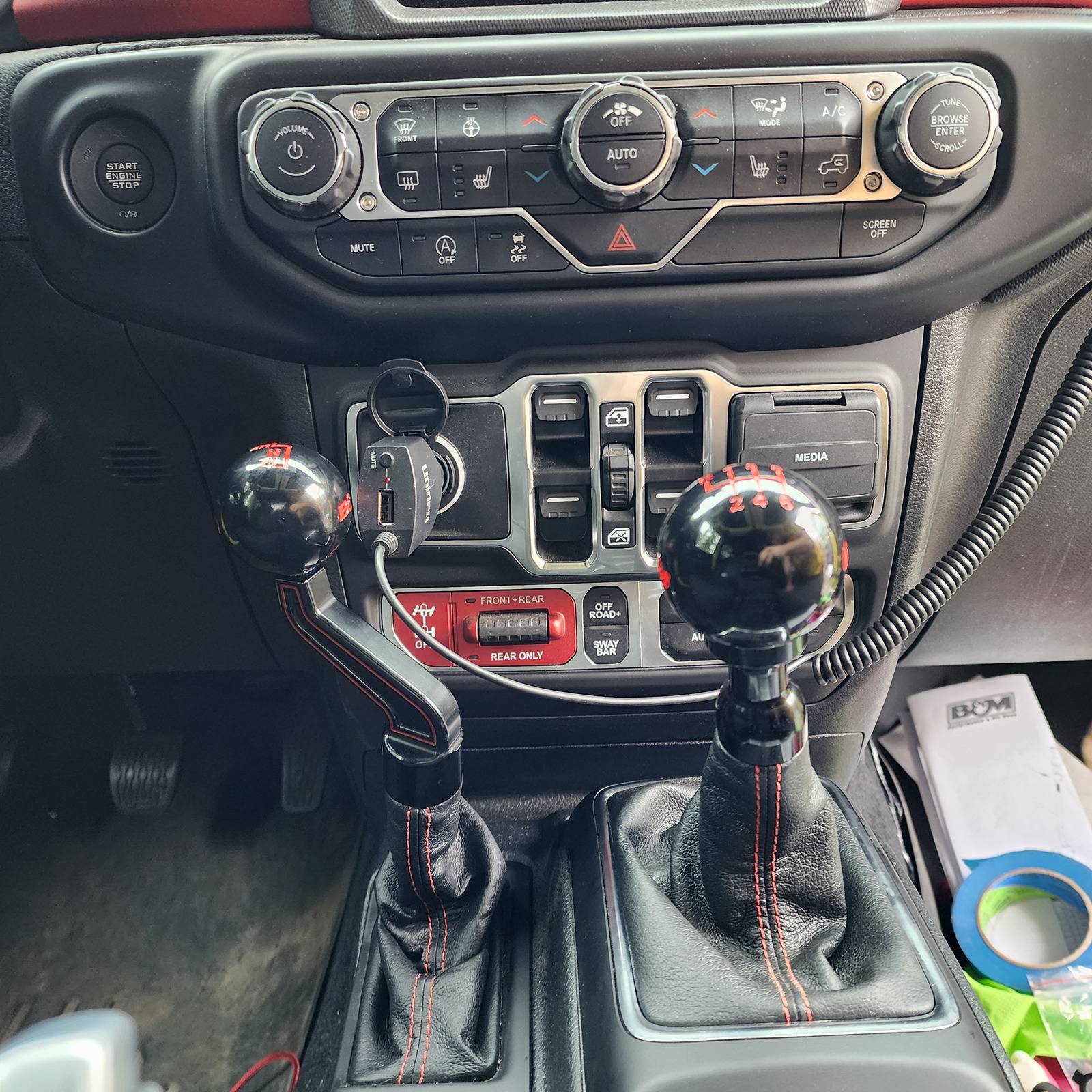
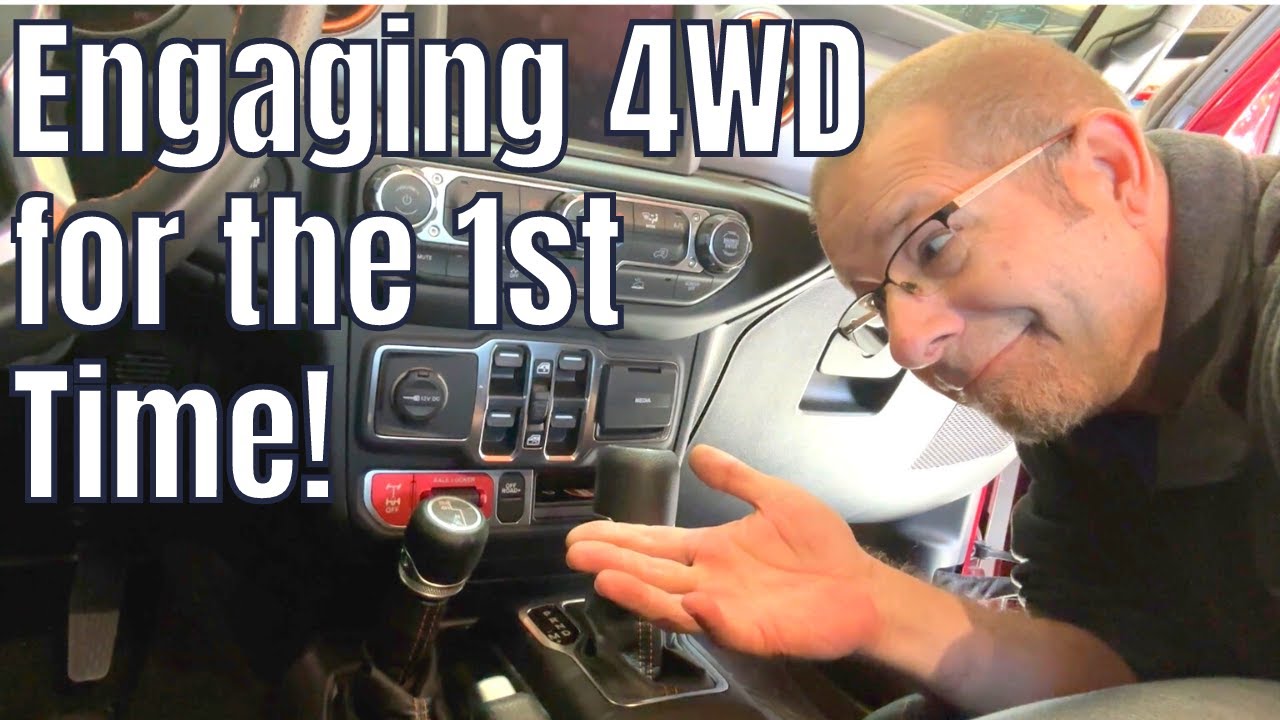
The transfer case lever is near the gear shifter on the center console. It is smaller and usually labeled with drive modes like 2H, 4H, N, and 4L. Find the lever easily by its distinct handle and clear markings. Knowing its exact spot saves time when you need to shift quickly.
Shifting Steps For 4h
Slow your Jeep down to about 5 mph or less before shifting. Keep your foot on the brake for safety. Move the transfer case lever from 2H straight down to 4H. You can do this while driving slowly or from a complete stop. The Jeep’s design allows smooth shifting without extra effort.
Indicator Confirmation
After shifting to 4H, watch the dashboard for the 4WD indicator light. This light confirms the four-wheel drive is active. If the light does not appear, repeat the shift steps slowly. The indicator helps avoid confusion and ensures your Jeep is ready for tougher conditions.
Credit: www.youtube.com
Engaging Four-wheel Drive Low (4l)
Engaging Four-Wheel Drive Low (4L) on your Jeep Gladiator gives you extra power and control. It is perfect for tough off-road conditions. 4L lowers your gear ratio, increasing torque to the wheels. This helps when climbing steep hills or driving through deep mud or snow.
Using 4L requires specific steps to avoid damage. The process is simple but must be done carefully. Follow the right method to keep your Jeep safe and working well.
When To Use 4l
Use 4L in slow, rough terrain. Good examples are rocky paths, deep sand, or thick mud. It helps when you need more pulling power. Avoid using 4L on dry pavement. It can cause strain on the drivetrain and tires.
Step-by-step Shifting Process
- Slow down or stop the Jeep completely.
- Shift the main transmission to Neutral (N).
- Pull the transfer case lever down and back to select 4L.
- Shift the main transmission back to Drive (D).
- Drive slowly and carefully in 4L mode.
Safety Tips During Engagement
- Always stop or slow down before shifting into 4L.
- Keep your foot on the brake while shifting.
- Do not force the lever if it feels stuck.
- Check your owner’s manual for any model-specific instructions.
- Use 4L only at low speeds to avoid damage.
Exiting Four-wheel Drive Modes
Exiting four-wheel drive modes in your Jeep Gladiator is as important as engaging them. Properly switching back ensures smooth driving on regular roads and prevents drivetrain damage. Understanding the right steps helps maintain vehicle control and efficiency. Follow these simple instructions to exit 4WD safely and correctly.
Shifting Back To 2h
Start by bringing your Jeep to a complete stop or slow speed. Keep your foot on the brake for safety. Shift the transfer case lever from 4H or 4L back to 2H. This step disengages the four-wheel drive system. Once in 2H, move the main transmission to Drive and continue driving normally. This process helps save fuel and reduces wear on the drivetrain.
Using Neutral And Drive For Transitions
When changing between 4WD modes, shifting the main transmission to Neutral is key. Put the gear shifter in Neutral before moving the transfer case lever. This prevents gear grinding and allows smooth engagement or disengagement. After changing the transfer case, shift the transmission back to Drive. Always make sure the vehicle is at a low speed or stopped during these transitions. This method protects your Jeep’s drivetrain and ensures a smooth ride.
Credit: www.mercedesbenzclearlake.com
Troubleshooting Common Issues
Troubleshooting common issues with your Jeep Gladiator’s 4WD system helps you stay safe. Some problems can stop the transfer case from shifting properly. Others involve confusing indicator lights. Knowing how to handle these problems saves time and money. Follow easy steps to fix common 4WD troubles and get back on the road fast.
Transfer Case Stuck
The transfer case may get stuck due to mechanical issues or dirt. First, stop the vehicle and shift the transmission to neutral. Then try moving the transfer case lever gently. Do not force it. For stuck transfer cases, check the fluid level. Low fluid can cause parts to bind. If fluid is low, refill with the recommended type. Sometimes, shifting while moving slowly helps free the case. If it remains stuck, a mechanic should inspect it. Avoid driving with a stuck transfer case to prevent damage.
Indicator Light Problems
Indicator lights show if 4WD is active. They can fail due to electrical faults or bad bulbs. If the light does not turn on when shifting to 4WD, check the fuse first. Replace it if blown. Dirty or loose sensor connections can cause light failure. Clean and secure all connectors. A malfunctioning switch may also cause issues. Test the 4WD switch for proper function. If lights blink or stay on constantly, it could mean a system error. Visit a service center to diagnose and fix electrical problems.
Tips For Off-road Power And Performance
Off-road driving demands extra power and control from your Jeep Gladiator. Using 4WD correctly boosts traction and performance. Follow these tips for better off-road capability and vehicle care.
Maximizing Traction
Engage 4WD before entering tough terrain. This helps distribute power evenly to all wheels. Use 4H for faster, less rough surfaces. Switch to 4L for steep climbs or deep mud. Keep your tires properly inflated. Good tread and pressure improve grip. Drive smoothly to avoid spinning tires. Sudden acceleration reduces traction and wastes fuel.
Maintaining Your 4wd System
Check your 4WD system regularly. Look for leaks in the transfer case and axle seals. Change fluids according to your owner’s manual. Inspect drive shafts and universal joints for wear. Clean mud and debris from undercarriage parts. Test 4WD engagement on dry pavement occasionally. Early detection of issues prevents costly repairs.
Frequently Asked Questions
Can You Switch To 4wd While Driving A Jeep Gladiator?
You can switch to 4WD high while driving at low speeds. Shift to neutral first, then engage 4WD. For 4WD low, stop the vehicle before shifting.
How To Shift A Jeep From 2wd To 4wd?
Slow down or stop your Jeep. Shift the main transmission to Neutral. Move the 4WD lever from 2H to 4H or 4L. Then shift back to Drive and continue driving.
How To Switch Jeep Gladiator From 2h To 4h?
Slow the Jeep to a safe speed or stop. Shift the main transmission to Neutral. Pull the transfer case lever down to engage 4H. Shift the transmission back to Drive and continue driving.
Do I Put My Jeep In 4h Or 4l For Snow?
Use 4H for driving on snowy roads at normal speeds. Shift to 4L only for deep snow, steep hills, or low-speed traction needs.
Conclusion
Putting your Jeep Gladiator into 4WD improves traction on rough roads. Always stop or slow down before shifting. Use the lever near the gear shifter to select 4H or 4L. Listen for the click or check the dashboard light. Practice in a safe area to get comfortable.
This simple skill boosts your Jeep’s off-road ability and safety. Drive confidently knowing you can handle tough terrain anytime.