Is your Jeep Wrangler’s sound system suddenly gone silent? You turn up the volume, but nothing comes through the speakers.
It’s frustrating, especially when you’re ready to hit the road with your favorite tunes. You might wonder, “Why are my Jeep Wrangler speakers not working? ” This common issue can stem from several simple problems or more complex wiring and amplifier glitches.
You’ll discover the main reasons behind your speaker troubles and easy steps you can take to bring your audio system back to life. Keep reading—you’ll be back to enjoying your rides with crystal-clear sound in no time.
Common Causes Of Speaker Issues
Speaker problems in Jeep Wranglers often have clear, common causes. Understanding these issues helps with quick fixes and saves money. Most problems are simple and can be checked without special tools.
Wiring Problems
Loose or damaged wires are a frequent cause of speaker failure. Vibrations from driving can loosen connections. Rodents may chew on wires, breaking the circuit. Check all wiring harnesses for visible damage or disconnections. Proper wiring ensures sound reaches the speakers.
Blown Fuses
Fuses protect electrical components in the Jeep. A blown fuse cuts power to the speakers. This is a quick and easy problem to check. Locate the fuse box and inspect the fuses related to audio. Replace any blown fuses with the correct rating for safety.
Faulty Amplifier
The amplifier boosts sound signals for clear audio. A failing amplifier can cause no sound or poor sound quality. Amplifiers can fail due to heat, moisture, or electrical faults. Testing the amplifier requires some skill but is important for diagnosis.
Damaged Speakers
Speakers wear out over time from use and exposure to elements. Tears, holes, or water damage affect sound output. Dirt and dust can also clog speaker cones. Inspect speakers for physical damage. Replacing damaged speakers restores sound quality.
Radio Or Head Unit Malfunctions
The radio or head unit controls all audio functions. Software glitches or hardware failures can stop sound output. Resetting the head unit often solves minor problems. If the unit is faulty, professional repair or replacement may be needed.

Credit: www.youtube.com
Diagnosing No Sound Problems
Diagnosing no sound problems in a Jeep Wrangler requires a clear step-by-step approach. The issue may stem from simple settings or deeper electrical faults. Start with basic checks and move towards complex components. This method helps find the exact cause without unnecessary replacements.
The following steps guide you through the most common causes of no sound. Each step tests a critical part of the audio system. Use these checks to narrow down the problem quickly.
Checking Radio Power And Settings
Confirm the radio turns on and the display lights up. Verify the volume is not muted or set too low. Check that the audio source is correct, like FM or Bluetooth. Reset the radio to factory settings if unsure. Sometimes, a simple setting error causes no sound.
Testing Speaker Connections
Inspect all speaker wires for loose or broken connections. Remove the door panels to access speaker wiring if needed. Use a multimeter to test the continuity of each speaker wire. Swap speaker wires to see if the problem moves with the wire. Faulty or disconnected wiring often stops sound output.
Inspecting Fuses And Wiring
Locate the fuse box and check the fuse for the audio system. Replace any blown fuses with the correct amperage. Look for damaged or corroded wiring near the fuse box. Wiring issues can cause power loss to the radio or amplifier. Fixing fuses and wiring restores power and sound.
Using Am Radio As A Test
Switch the radio to AM mode and try to listen. AM radio uses a different signal path than FM or Bluetooth. If sound plays on AM but not on other modes, the problem is with the source or signal. This test helps isolate the issue between the radio and speakers. AM radio testing simplifies troubleshooting.
Identifying Amplifier Issues
Check if the Jeep has an external amplifier connected. Verify the amplifier powers on and is not overheating. Inspect amplifier wiring and connections for damage. Test the amplifier by bypassing it to see if speakers work directly. A faulty amplifier can block sound even if the radio works.
Quick Fixes To Try
Knowing when to seek professional help can save time and avoid further damage to your Jeep Wrangler’s audio system. Some speaker problems require advanced tools and skills. A trained technician can correctly diagnose and fix these issues. This section explains common situations where professional help is necessary.
Complex Wiring Repairs
Wiring problems can be tricky to find and fix. Loose, cut, or shorted wires may cause speaker failure. Professionals have special equipment to trace wiring faults. They can safely repair or replace damaged wiring. Avoid trying complex wiring fixes without experience.
Amplifier Replacement
The amplifier boosts sound to your speakers. If it stops working, speakers may have no sound. Testing and replacing an amplifier needs technical knowledge. A pro can ensure the new amplifier matches your system. Incorrect installation might cause more audio problems.
Radio Or Head Unit Issues
The radio or head unit controls your Jeep’s sound system. Sometimes, internal faults stop audio from playing. Diagnosing these problems requires opening and testing the unit. A technician can repair or replace a faulty radio safely. This prevents damage to other parts.
Warranty And Dealer Support
Your Jeep might still be under warranty. Taking it to an authorized dealer ensures repairs meet standards. Dealer service can cover parts and labor costs. Professionals use genuine parts for replacements. This keeps your warranty valid and protects your investment.
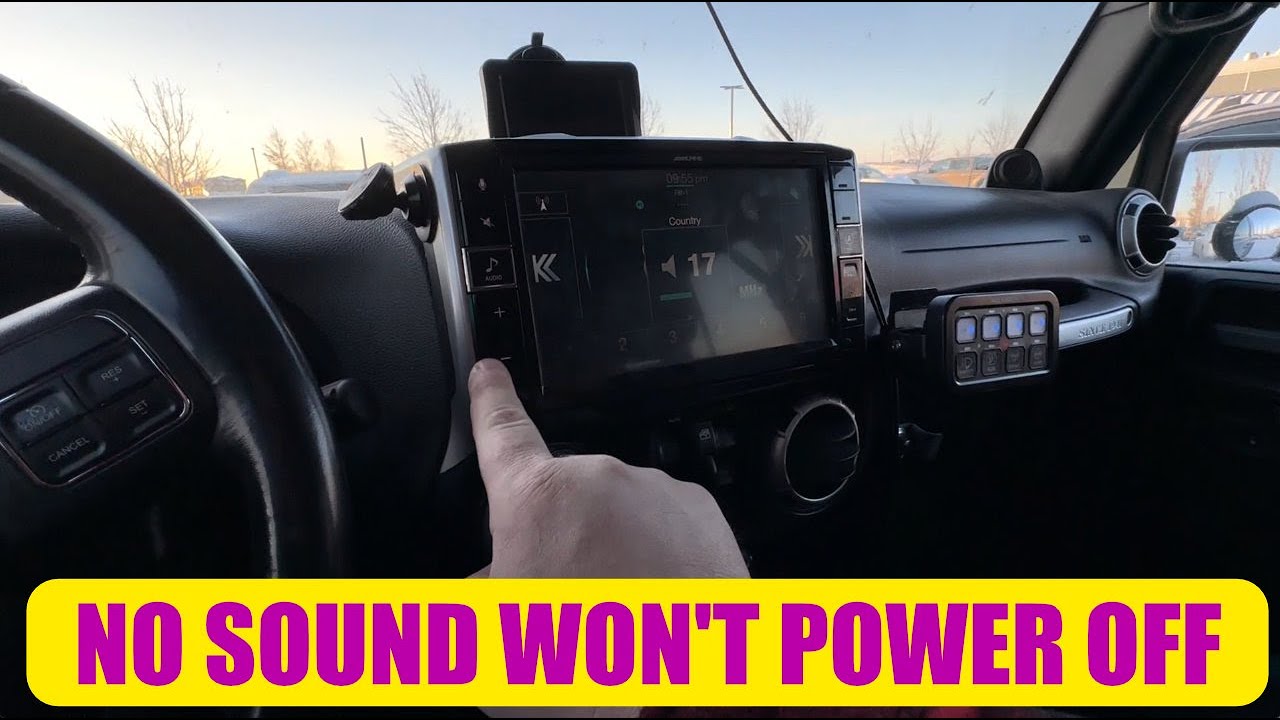
Credit: www.youtube.com
Advanced Troubleshooting Steps
Preventing future problems with Jeep Wrangler speakers starts with good care and smart choices. Taking the right steps keeps the sound clear and the system working longer. Small habits make a big difference in avoiding damage and costly repairs.
Regular Maintenance Tips
Check speaker connections often. Loose wires cause sound issues. Clean speaker grills to stop dirt buildup. Dirt blocks sound and harms parts. Inspect wiring for cracks or wear. Replace damaged wires quickly. Test speakers regularly to catch problems early.
Proper Installation Practices
Follow instructions carefully during installation. Use the right tools to avoid damage. Secure wires and components tightly. Poor installation causes shorts and sound loss. Avoid bending wires sharply. Keep wires away from moving parts. Double-check connections before finishing work.
Using Quality Components
Choose speakers made for Jeep Wranglers. Cheap parts often fail faster. Use high-quality wires and connectors. Good parts handle vibrations and weather better. Match speaker power ratings with your system. Quality components deliver clearer, stronger sound. They last longer and reduce problems.
Avoiding Electrical Overloads
Do not add too many devices to the system. Overloads cause fuse blowouts and speaker failure. Use proper fuses to protect wiring. Keep the amplifier and speakers within safe power limits. Turn off electronics when not in use. Monitor the system for unusual sounds or heat. Preventing overloads extends speaker life.

Credit: www.youtube.com
Frequently Asked Questions
Why Are My Jeep Speakers Not Working?
Your Jeep speakers might not work due to blown fuses, faulty wiring, a bad amplifier, or incorrect radio settings. Check connections and test the radio.
How To Reset Jeep Wrangler Audio System?
To reset the Jeep Wrangler audio system, turn the ignition on, press and hold the volume and tuner knobs simultaneously for 10 seconds. Release both knobs when the screen goes blank, then restarts. This resets the system to factory settings and resolves most audio issues.
Why Is There No Sound Coming Through My Speakers?
No sound from speakers may result from muted audio, loose cables, faulty wiring, or a damaged amplifier. Check volume settings and connections first.
Why Is My Radio On But Speakers Not Working?
Your radio may be on but speakers silent due to wiring issues, a blown amplifier, or faulty speaker connections. Check speaker wires and fuses first.
Conclusion
Jeep Wrangler speaker issues can stem from simple or complex causes. Check wiring connections and fuses first. Inspect the amplifier and head unit for faults. Sometimes, resetting the audio system solves the problem. Listening to AM radio might help reconnect the speakers.
Regular maintenance prevents future audio troubles. Taking small steps can restore your sound quickly. Don’t ignore warning signs to avoid costly repairs. Enjoy clear music on every adventure again.