If you own a Jeep Wrangler, you know the thrill of hitting the open road or tackling rugged trails. But nothing ruins that experience faster than the dreaded death wobble—a sudden, violent shaking of your Jeep’s front end that can catch you off guard and shake your confidence.
You might be wondering, “What causes this, and how can I fix it? ” The good news is, you’re not alone, and there are clear steps you can take to stop the death wobble for good. In this guide, you’ll learn exactly what triggers this unsettling shake and, more importantly, how to fix it so you can get back to enjoying every mile behind the wheel with complete peace of mind.
Keep reading to take control of your Jeep’s ride and say goodbye to death wobble once and for all.
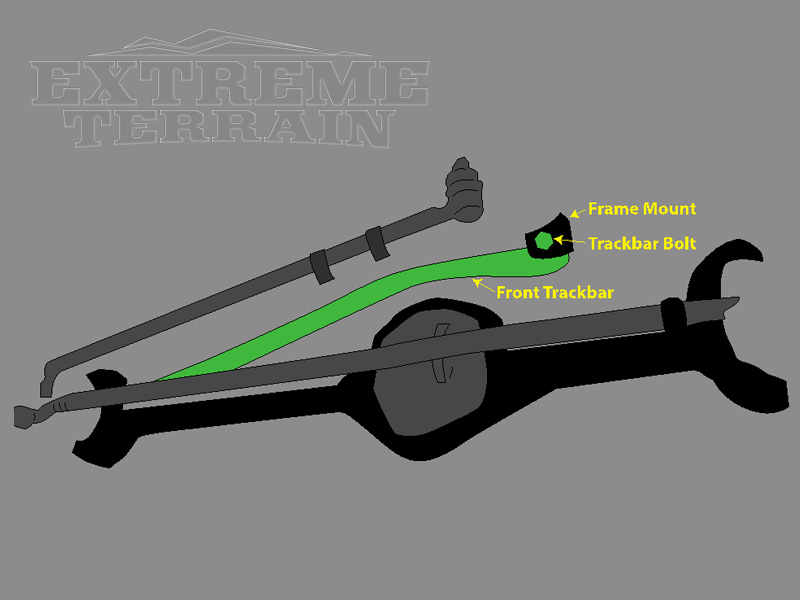
Credit: www.extremeterrain.com
Causes Of Death Wobble
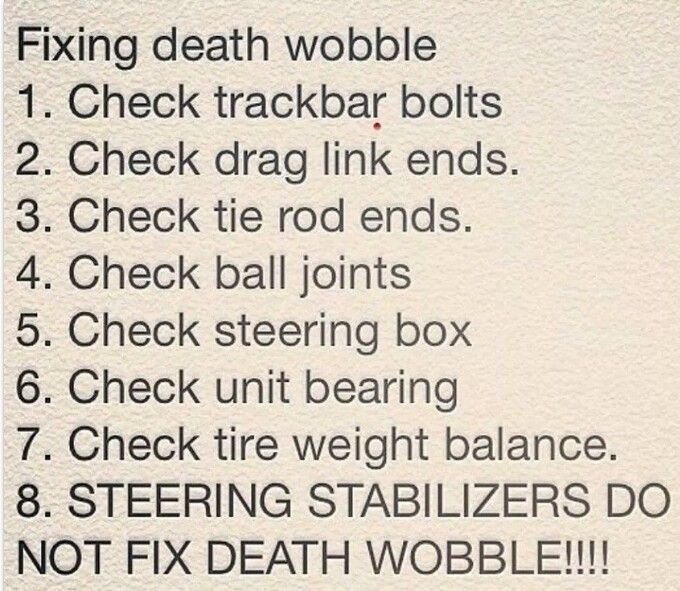
Death wobble in Jeep Wranglers is a harsh shaking of the front end. It usually happens at higher speeds after hitting a bump. Understanding what causes this problem helps you fix it faster. Several parts of the steering and suspension system often lead to death wobble. Checking these parts is the first step to a smooth ride again.
Track Bar Problems
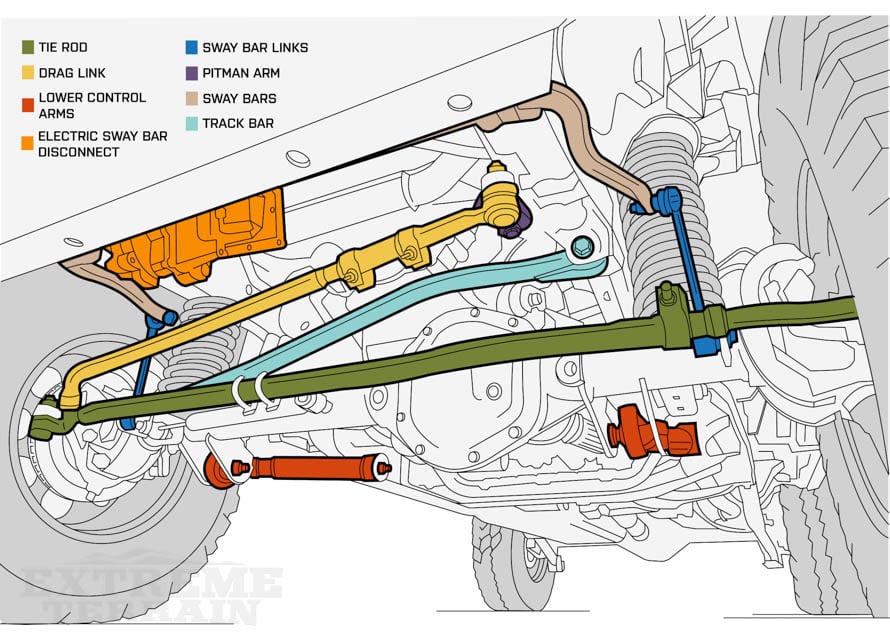
The track bar keeps the axle centered under the Jeep. Worn bushings or loose bolts at the axle mount cause play. This play lets the axle shift side to side, starting the wobble. Tightening bolts or replacing worn bushings often stops the shaking.
Worn Steering Components
Tie rod ends and drag links connect the steering wheel to the wheels. When these parts wear out or loosen, they create extra movement. This movement makes the steering unstable and causes death wobble. Replacing these worn parts restores control and stability.
Ball Joint Wear
Ball joints connect the control arms to the steering knuckles. Over time, they wear and develop play. This looseness affects wheel alignment and steering response. Worn ball joints allow vibrations to transfer to the steering system. Replacing bad ball joints removes one common cause of wobble.
Tire Issues
Uneven tire wear, unbalanced tires, or damaged rims cause vibrations. These vibrations increase the chance of death wobble. Proper tire balancing and replacing damaged tires help reduce shaking. Always check tire condition when diagnosing death wobble.
Steering Stabilizer Role
The steering stabilizer acts like a shock absorber for the steering. It dampens sudden movements and vibrations. A worn or leaking stabilizer cannot control bumps well. Replacing a bad stabilizer improves steering feel and can reduce death wobble.
Credit: www.offroadelements.com
Signs Of Death Wobble
Death wobble is a serious issue that affects Jeep Wrangler drivers. It causes the vehicle to shake violently at certain speeds. Early detection is key to preventing damage and ensuring safety. Recognizing the signs helps you act quickly and fix the problem.
Steering Wheel Vibrations
The most common sign is strong vibrations in the steering wheel. These shakes start suddenly and feel like the wheel is shaking hard. Vibrations often get worse when driving over bumps or rough roads. You may feel the steering wheel jerk left and right without your input.
Unstable Vehicle Handling
Your Jeep may feel unstable or loose on the road. It can pull to one side or wobble side to side. Steering may feel less responsive or shaky. This instability makes it hard to keep the Jeep straight. It becomes dangerous at highway speeds.
Noise And Feel
You might hear clunking or knocking sounds from the front suspension. These noises happen when the Jeep shakes or hits bumps. The shaking can cause a rough, uneven ride. You may also feel the whole vehicle vibrating, not just the steering wheel.
Inspection Steps
Inspecting your Jeep Wrangler’s front suspension is the first step to fix death wobble. Careful checks help find worn or loose parts causing the shake. Follow these steps to spot common issues that trigger the problem.
Check Front End Components
Start by examining the front end components for any damage or looseness. Look at the control arms and shocks to ensure they are tight and not worn out. Loose bolts or broken parts here often cause instability. Tighten all bolts and replace damaged parts promptly.
Inspect Track Bar And Bushings
The track bar connects the axle to the frame and keeps the wheels aligned. Check the bushings at both ends for cracks or excessive play. Worn bushings let the axle move too much, causing the wobble. Replace old bushings and make sure the track bar bolts are tight.
Examine Tie Rods And Drag Links
Tie rods and drag links control steering and must be secure and free of wear. Look for torn boots, rust, or looseness in these parts. Play in the tie rod ends or drag links leads to poor steering control. Swap out any damaged components and tighten all connections.
Assess Ball Joints
Ball joints allow the suspension to move smoothly. Check them for looseness or damage by moving the wheel up and down. If the ball joints have play or noise, they need replacement. Worn ball joints reduce stability and worsen death wobble symptoms.
Evaluate Tire Condition And Balance
Uneven tire wear or unbalanced tires can also cause shaking. Inspect tires for bald spots, bulges, or uneven tread. Get your tires balanced and aligned to prevent vibration. Properly balanced tires improve ride quality and reduce wobble.
Fixing The Problem
Fixing the death wobble in your Jeep Wrangler requires a step-by-step approach. Each part of the suspension and steering system plays a role. Addressing these areas will help stop the shaking and improve your driving safety. Below are key steps to fix the problem effectively.
Tighten Suspension Bolts
Loose suspension bolts often cause death wobble. Check all bolts on the track bar, control arms, and tie rods. Use a torque wrench to tighten them to factory specifications. This simple step reduces play in the suspension system.
Replace Worn Parts
Worn parts like ball joints, tie rod ends, and bushings can trigger the wobble. Inspect each component carefully. Replace any that show signs of wear or damage. New parts restore stability to your Jeep’s steering.
Balance And Rotate Tires
Unbalanced or uneven tires add to the wobble. Get your tires balanced by a professional. Rotate them regularly to ensure even wear. Balanced tires help maintain smooth steering and reduce vibration.
Perform Wheel Alignment
Misaligned wheels cause uneven tire wear and steering issues. Have a wheel alignment done to correct angles. Proper alignment keeps your Jeep tracking straight and reduces wobble at higher speeds.
Install Or Replace Steering Stabilizer
The steering stabilizer dampens vibrations in the steering system. If your Jeep lacks one or has a worn stabilizer, install or replace it. A good stabilizer absorbs shocks and smooths out the steering feel.
Preventing Death Wobble
Preventing death wobble keeps your Jeep Wrangler safe and smooth on the road. Small problems grow into big shakes. Regular care avoids these issues. Follow key steps to keep your Jeep steady.
Each part plays a role in preventing the shake. Focus on maintenance, tires, suspension, and steering parts. These areas help stop death wobble before it starts.
Regular Maintenance Checks
Check all suspension and steering parts often. Look for loose bolts and worn bushings. Tighten or replace parts as needed. Early action saves money and improves safety. Regular checks keep your Jeep stable.
Proper Tire Care
Keep tires balanced and aligned. Uneven wear causes wobble at high speeds. Rotate tires regularly to extend life. Inspect for damage or uneven tread. Proper tires make your ride smooth and safe.
Suspension Upgrades
Upgrade worn suspension parts to reduce wobble risk. Use quality track bars and bushings. Stronger components handle rough terrain better. Good suspension parts improve handling and comfort. Invest in upgrades for long-term stability.
Monitor Steering Components
Steering parts wear out over time. Check tie rods, drag links, and ball joints. Replace any loose or damaged pieces. Proper steering parts prevent shaking and improve control. Monitor these regularly for a safe drive.
Handling Death Wobble On The Road
Handling Death Wobble on the road demands quick, calm action. The violent shaking can surprise any Jeep Wrangler driver. Staying safe and controlling the vehicle helps prevent accidents.
Knowing how to react reduces stress and damage. Every Jeep owner should recognize the signs and steps to take. The following tips guide you through managing Death Wobble safely.
Safety Tips During Wobble
Keep both hands firmly on the steering wheel. Avoid sudden turns or sharp movements. Stay calm and focus on the road ahead. Do not slam the brakes or accelerate. Let the Jeep settle by maintaining a steady grip and posture.
How To Slow Down Safely
Gradually ease off the gas pedal. Use gentle, steady pressure on the brakes. Avoid quick stops that worsen the wobble. Slow down to a lower speed where the shaking stops. Use turn signals to alert other drivers. Keep your vehicle in a straight line as you reduce speed.
When To Pull Over
Find a safe spot to exit the road as soon as possible. Use your signals and check mirrors before leaving traffic. Avoid stopping on sharp curves or narrow shoulders. Once stopped, turn on hazard lights. Do not drive further if wobble continues or worsens. Call for professional help or roadside assistance.
Cost And Warranty Insights
Understanding the cost and warranty aspects of fixing the death wobble in your Jeep Wrangler helps you plan better. Repair expenses vary based on the severity of the problem and the parts involved. Warranty coverage may save you money but depends on your Jeep’s age and condition. Knowing when to hire a professional can also impact your costs and repair quality.
Typical Repair Costs
Repairing death wobble can cost between $200 and $1,000. Minor fixes like tightening bolts or replacing bushings are cheaper. Replacing major parts like the track bar or ball joints raises costs. Labor fees depend on the shop and location. Expect higher prices in urban areas like Austin, Texas.
Warranty Coverage Details
New Jeep Wranglers often come with a basic warranty covering suspension parts. Extended warranties may cover steering components too. Warranty claims require proof of regular maintenance. Some repairs related to death wobble may not be covered if wear and tear caused the issue. Check your warranty terms carefully before repairs.
Choosing Professional Help
Certified Jeep mechanics know how to fix death wobble properly. They have the right tools and experience to diagnose issues fast. Avoid quick fixes from untrained technicians to prevent recurring problems. Professional repairs may cost more but offer peace of mind. Always ask about warranties on repairs and parts used.
Credit: www.extremeterrain.com
Frequently Asked Questions
How Do I Stop My Jeep Wrangler From Going Death Wobble?
To stop your Jeep Wrangler’s death wobble, tighten or replace worn suspension parts, especially track bar bushings. Balance and align tires properly. Inspect and fix loose steering components. Avoid sudden braking; slow down gradually if wobble occurs.
What Is The Main Cause Of Death Wobble In Jeeps?
The main cause of death wobble in Jeeps is worn or loose suspension parts, especially the track bar bushings and bolts.
How Much Is It To Fix A Death Wobble On A Jeep Wrangler?
Fixing death wobble on a Jeep Wrangler typically costs between $200 and $800. Prices vary by parts replaced and labor.
Can A Death Wobble Be Fixed?
Yes, a death wobble can be fixed by inspecting and tightening suspension parts, replacing worn components, balancing tires, and aligning wheels properly.
Conclusion
Fixing death wobble in your Jeep Wrangler improves safety and driving comfort. Regularly check and tighten suspension parts to avoid issues. Replace worn components like track bars and tie rods promptly. Proper tire balance and condition also help prevent wobble.
Taking these simple steps keeps your Jeep stable on the road. Stay alert to any unusual shaking and address it quickly. A well-maintained Jeep means a smoother, safer ride every time.