If you own a Jeep Wrangler JK, keeping your vehicle in top shape is probably a priority for you. One of the easiest ways to avoid costly repairs is by regularly checking your transmission fluid.
But maybe you’re not sure how to do it right or what to look for. Don’t worry—this guide will walk you through the simple steps to check your transmission fluid quickly and accurately. By the time you finish reading, you’ll know exactly how to keep your Jeep running smoothly and avoid unexpected breakdowns.
Ready to take control of your Wrangler’s health? Let’s dive in.
Credit: www.reddit.com
Preparing Your Jeep Wrangler Jk
Preparing your Jeep Wrangler JK for a transmission fluid check is important. This step ensures you get accurate results and keep your vehicle safe. Take your time and follow the right steps for a smooth process.
Start with gathering all the tools you need. Then, make sure your Jeep is parked safely. Finally, find the transmission dipstick to check the fluid level.
Gathering Necessary Tools
Before you begin, collect the tools needed for the task. You will need a clean rag or paper towels. A flashlight can help you see better under the hood. Keep a pair of gloves to protect your hands from dirt and heat. Having these tools ready saves time and hassle.
Ensuring Vehicle Safety
Park your Jeep on a flat surface. Turn off the engine and let it cool down for about 10 minutes. Engage the parking brake to avoid any movement. Avoid checking the fluid right after driving; the engine and fluid can be very hot. Safety is key to prevent burns or accidents.
Locating The Transmission Dipstick
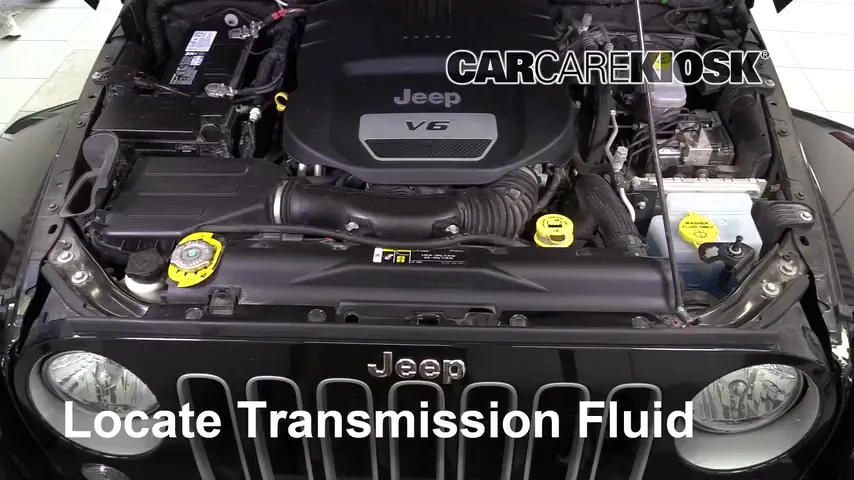
Open the hood of your Jeep. Look for the transmission dipstick; it usually has a bright-colored handle. It is located near the back of the engine, closer to the firewall. If you cannot find it, check your owner’s manual. Knowing the dipstick’s position helps you check fluid levels easily.

Credit: www.youtube.com
Checking Transmission Fluid Level
Checking the transmission fluid level in your Jeep Wrangler JK is a key step to keep the transmission working well. Low or dirty fluid can cause shifting problems and damage. This guide shows you how to check the fluid level safely and clearly.
Warming Up The Engine
Start your Jeep and let the engine run for about five minutes. Warm fluid flows better and gives a more accurate reading. Keep the vehicle on a flat surface. Do not move the Jeep during this process.
Removing And Cleaning The Dipstick
Open the hood and find the transmission dipstick. Pull it out slowly. Use a clean cloth to wipe the dipstick completely. This removes old fluid and dirt. Always clean the dipstick before checking the level.
Reading The Fluid Level
Put the dipstick back into its tube fully. Pull it out again and look at the fluid mark. The fluid should be between the “Full” and “Add” marks. Note the color and smell of the fluid too. Bright red and no smell means good fluid.
Interpreting The Results
If the fluid is low, add the correct type for your Jeep. Dark or burnt-smelling fluid means it needs changing. Too much fluid can cause leaks or damage. Check your owner’s manual for exact fluid specifications and amounts.
Assessing Transmission Fluid Condition
Assessing the condition of your Jeep Wrangler JK’s transmission fluid is key to keeping the transmission healthy. Clean and well-maintained fluid helps the transmission run smoothly. Checking the fluid regularly can prevent costly repairs. It is important to know what signs to look for when examining the fluid.
Fluid Color Indicators
Transmission fluid should be bright red or pink. This color shows the fluid is clean and working well. Dark brown or black fluid means it is old and dirty. Cloudy or murky fluid also signals contamination. If the fluid color looks off, it needs attention.
Fluid Smell And Texture
Good transmission fluid has a mild, slightly sweet smell. A burnt or strong odor means the fluid is overheating or breaking down. The texture should be smooth and slippery. Gritty or thick fluid can harm the transmission parts. Always check both smell and feel to judge fluid condition.
When To Replace The Fluid
Replace transmission fluid every 30,000 to 60,000 miles. Change it sooner if the fluid is dark, smells burnt, or feels gritty. Also, replace fluid after heavy towing or off-road driving. Fresh fluid extends transmission life and improves shifting. Follow your Jeep’s manual for the best schedule.
Tips For Maintaining Transmission Health
Maintaining your Jeep Wrangler JK’s transmission health keeps your vehicle running smoothly. Proper care helps avoid costly repairs and extends the life of your transmission. Small steps can make a big difference in performance and reliability.
Regular Fluid Checks
Check your transmission fluid regularly. Use the dipstick to see fluid level and color. Fluid should be bright red and clear. Dark or burnt-smelling fluid signals trouble. Keep the fluid at the correct level to prevent damage.
Scheduled Fluid Changes
Change transmission fluid as recommended in your Jeep’s manual. Old fluid loses its ability to lubricate and cool. Fresh fluid keeps the transmission parts moving smoothly. Timely changes reduce wear and improve shifting.
Avoiding Common Transmission Issues
Avoid sudden stops or rapid acceleration. These actions strain the transmission. Don’t tow loads beyond your Jeep’s capacity. Overloading causes overheating and damage. Drive gently to protect your transmission’s health over time.
Troubleshooting Common Problems
Troubleshooting common transmission fluid problems helps keep your Jeep Wrangler JK running smoothly. Transmission fluid is vital for proper gear shifting and engine protection. Checking and fixing fluid issues prevents costly repairs and extends transmission life.
Here are some common problems to watch for and how to spot them early. Knowing these signs saves time and money.
Low Fluid Level Causes
Low transmission fluid can cause slipping gears or rough shifts. The most common cause is fluid leaks from seals or gaskets. Another reason is not topping off the fluid after service. Driving with low fluid damages transmission parts quickly. Check fluid level regularly to avoid problems.
Fluid Leaks Detection
Look under your Jeep for red or brown fluid spots. Transmission fluid usually has a bright red color. Leaks often come from the transmission pan, cooler lines, or seals. Clean the area before checking to find fresh leaks. Early leak detection prevents fluid loss and transmission damage.
Signs Of Transmission Damage
Hard shifting, strange noises, or delayed gear engagement point to transmission issues. Burning smell or dark, dirty fluid also signals damage. If your Jeep slips out of gear or hesitates, check the fluid level and condition. Catch problems early to protect your transmission from further harm.
Credit: www.carcarekiosk.com
Frequently Asked Questions
How Often Should I Check Jeep Wrangler Jk Transmission Fluid?
Check the transmission fluid every 30,000 to 60,000 miles. Regular checks prevent damage and maintain smooth shifting. If you notice slipping or rough shifts, check it sooner. Always follow your Jeep’s owner manual for specific intervals.
What Type Of Transmission Fluid Does Jeep Wrangler Jk Use?
Jeep Wrangler JK typically uses ATF+4 automatic transmission fluid. Using the correct fluid ensures optimal performance and prevents damage. Always verify the fluid type in your owner’s manual before adding or changing transmission fluid.
Can I Check Transmission Fluid Without Warming The Engine?
No, the engine should be warmed up for an accurate reading. Warm fluid expands and gives a precise level on the dipstick. Check fluid after driving for at least 10 minutes and keep the vehicle on level ground.
What If Transmission Fluid Level Is Low In Jeep Wrangler Jk?
Low transmission fluid can cause shifting problems and damage. Add the recommended fluid slowly and recheck the level. Avoid overfilling, which can also harm the transmission. If leaking, get the system inspected by a professional.
Conclusion
Checking the transmission fluid in your Jeep Wrangler JK keeps it running smoothly. Regular checks help spot problems early and save money. Use the right steps to avoid mistakes and keep your vehicle healthy. Clean fluid means better shifting and longer transmission life.
Take a few minutes now to protect your Jeep later. Simple care makes a big difference on the road.