If you own a Jeep Wrangler JL, knowing how to properly engage its 4-wheel drive system is key to unlocking its full potential—whether you’re cruising city streets or tackling rough trails. But if you’re unsure when or how to switch between 2WD, 4WD High, and 4WD Low, you might not be getting the best performance or safety from your vehicle.
In this guide, you’ll learn simple, step-by-step instructions to confidently engage your Jeep’s 4-wheel drive. By the end, you’ll feel ready to handle any terrain with ease, protect your drivetrain, and enjoy the legendary capability your Wrangler JL was built for.
Let’s get started and make sure you’re driving with full control every time you hit the road or the trail.
Jeep Wrangler Jl Drive Modes
The Jeep Wrangler JL offers versatile drive modes for different terrains and driving conditions. Understanding these modes helps you use your Jeep safely and efficiently. Each mode changes how power moves to the wheels. This improves traction and control.
Below are the main drive modes you will use in the Jeep Wrangler JL.
Two-wheel Drive Basics
Two-Wheel Drive (2WD) sends power only to the rear wheels. This mode is best for normal roads and dry pavement. It uses less fuel and causes less wear on the drivetrain. Use 2WD for everyday driving and good weather conditions.
Four-wheel Drive High
Four-Wheel Drive High (4WD High) sends power to all four wheels. This mode helps on wet, snowy, or loose surfaces like gravel. It gives better traction but allows higher speeds than 4WD Low. Shift to 4WD High when road grip is low but speed is still moderate.
Four-wheel Drive Low
Four-Wheel Drive Low (4WD Low) delivers maximum power to all wheels at low speeds. It is for tough off-road situations like deep mud, steep hills, or rocky trails. Use this mode only at low speeds to avoid damage. 4WD Low improves control and climbing power.
Preparing To Engage 4wd
Preparing to engage the 4WD system on your Jeep Wrangler JL is crucial. It ensures the vehicle performs well on rough terrain. Understanding when and how to use 4WD protects your Jeep and enhances safety. Take time to check the vehicle and follow safety steps before switching to 4WD.
When To Use 4wd
Use 4WD on slippery or uneven surfaces. Snow, mud, sand, and rocky trails are ideal conditions. Avoid using 4WD on dry pavement to prevent damage. Choose 4WD High for moderate off-road and slippery conditions. Use 4WD Low for steep climbs, deep mud, or heavy towing.
Checking Vehicle Conditions
Before engaging 4WD, ensure your Jeep is stopped or moving slowly. Check tire pressure for proper grip. Inspect the area around your wheels for debris. Verify the transfer case and drivetrain systems are free of leaks. Keep the engine running to maintain power during the switch.
Safety Precautions
Engage 4WD only on safe terrain. Avoid sharp turns or sudden stops while shifting. Keep hands and feet clear of moving parts. Use the parking brake when stopped on slopes. Always follow the manufacturer’s instructions in the owner’s manual. Drive cautiously after engaging 4WD to prevent accidents.
Engaging Four-wheel Drive High
Engaging Four-Wheel Drive High in your Jeep Wrangler JL gives you better traction on slippery roads and rough terrain. It helps the vehicle distribute power evenly to all four wheels. This setting works well for driving at regular speeds on dirt, gravel, or wet pavement. Four-Wheel Drive High improves control without reducing speed.
Locating The Transfer Case Lever
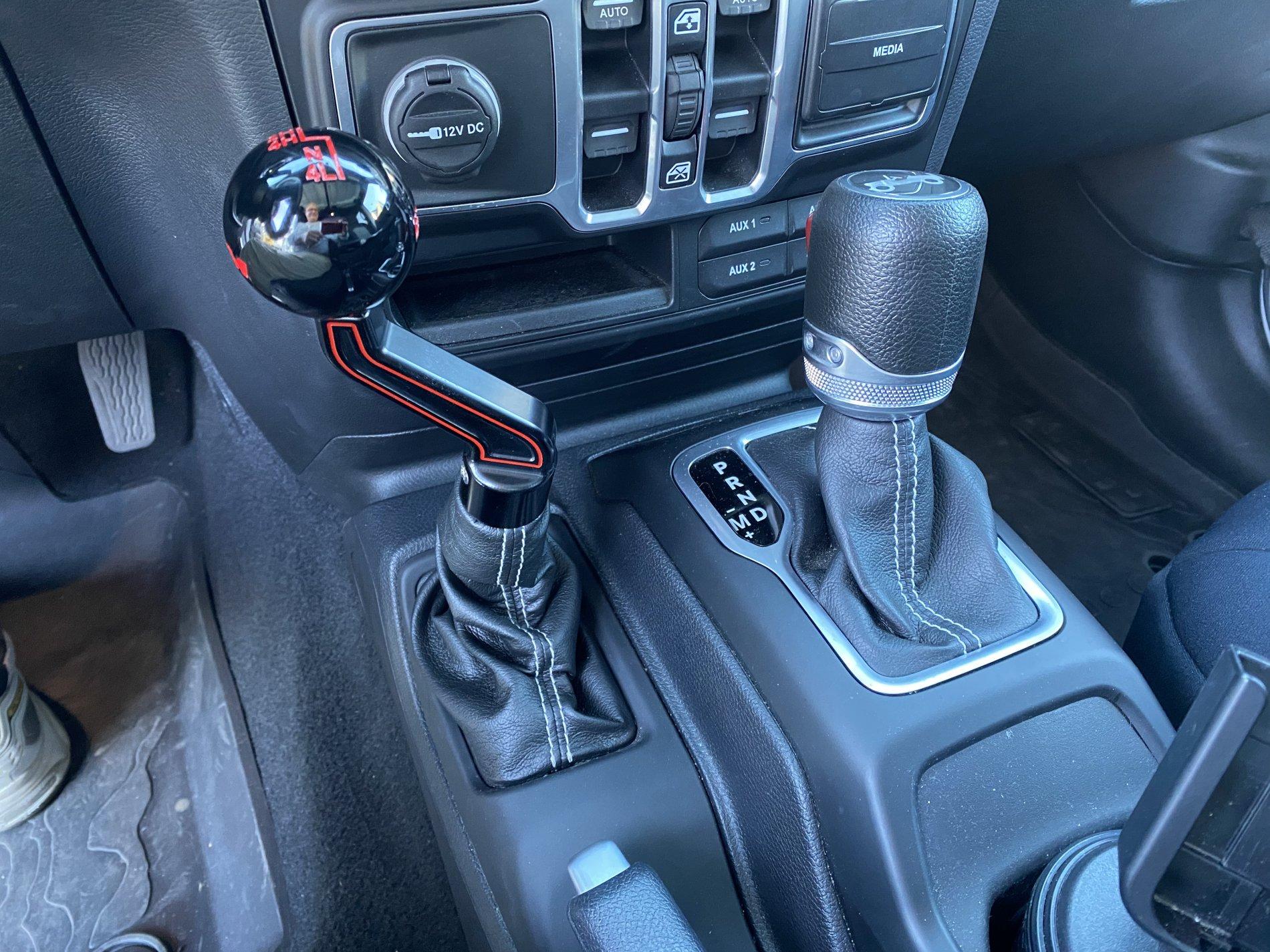
Look near the gear shift in the center console. The transfer case lever is usually a smaller stick next to the main shifter. It often has markings like 2H, 4H, N, and 4L. The 4H position stands for Four-Wheel Drive High. The lever is easy to reach for quick shifts.
Step-by-step Shift Procedure
Start your Jeep and keep it in neutral or park. Press the brake pedal firmly. Pull the transfer case lever gently towards you. Move it from 2H to 4H position. You may feel a slight click when it engages. Avoid using force to prevent damage. Release the brake and shift the main gear to drive.
Confirming Engagement
Check the dashboard for a 4WD indicator light. The light confirms the system is active. Feel the difference in traction as you drive. The vehicle will handle better on loose or slippery surfaces. If the light does not turn on, repeat the shifting process. Consult your owner’s manual if problems persist.
Engaging Four-wheel Drive Low
Engaging Four-Wheel Drive Low on your Jeep Wrangler JL is key for tough driving conditions. This mode offers maximum traction and power at low speeds. It helps you climb steep hills, cross rocky terrain, or move through deep mud and sand. Knowing how and when to use 4WD Low keeps your Jeep safe and efficient.
When To Use 4wd Low
Use 4WD Low for slow, difficult driving. It works best on steep climbs or descents. Use it on rocky trails or soft sand. Avoid using 4WD Low on dry pavement. It can cause drivetrain damage. Use this mode only when extra power and traction are needed.
Shifting From 4wd High To Low
Slow your Jeep to a stop or crawl speed. Shift the transfer case lever from 4WD High to 4WD Low. Some models allow shifting while moving very slowly. Check your owner’s manual for exact instructions. You will hear a click when the shift completes. The Jeep is now ready for low-speed, high-torque driving.
Using The Clutch And Brake
If your Jeep has a manual transmission, press the clutch fully. Use the brake to keep the vehicle steady. Shift the transfer case lever gently while clutch is pressed. Release the clutch slowly after the shift. This avoids jerks and protects the drivetrain. Always keep control during the shift for safety.
Disengaging Four-wheel Drive
Disengaging four-wheel drive on a Jeep Wrangler JL is a key step for smooth driving on regular roads. It helps improve fuel efficiency and reduces wear on the drivetrain. Knowing how and when to switch back to two-wheel drive is important for Jeep owners.
This process is simple but requires care. Follow the right steps to avoid damage and confirm the system is properly disengaged.
Shifting Back To Two-wheel Drive
To shift from four-wheel drive to two-wheel drive, first slow the vehicle. Come to a complete stop or drive very slowly.
Move the transfer case lever from 4H or 4L back to 2H. The lever should slide smoothly into place.
The Jeep Wrangler JL uses an electronic shift system in some models. Press the button and shift to 2H while driving under 3 mph.
Avoiding Damage During Shifts
Never force the transfer case lever. Forcing can cause internal damage.
Do not shift while driving fast. High speed shifts can damage the drivetrain.
Always shift on level ground or gentle slopes to ease the transition.
Indicators And Confirmation
Check the dashboard for the 2H indicator light. This confirms the vehicle is back in two-wheel drive mode.
You may also hear a slight click or feel the lever lock into place.
Test the drive by gently accelerating. The Jeep should move smoothly without binding or noise.

Credit: www.youtube.com
Common Issues And Troubleshooting
Engaging the four-wheel drive on a Jeep Wrangler JL is usually straightforward. Yet, drivers may face some common issues. These problems can affect performance and safety. Understanding these issues helps you troubleshoot quickly. This section covers typical problems and simple fixes for your Jeep.
Transfer Case Stuck
The transfer case may sometimes fail to shift into four-wheel drive. This can happen if the vehicle is moving or the gears are not aligned. Try stopping the Jeep and shifting the transfer case again. Using a little throttle while shifting can help align the gears. If it remains stuck, check the transfer case fluid level. Low or dirty fluid can cause problems. A professional inspection might be necessary if the issue persists.
Unusual Noises
Strange sounds often indicate a problem with the 4WD system. Grinding, clunking, or whining noises can come from the transfer case or differentials. These noises may signal worn parts or lack of lubrication. Inspect the drive shafts and joints for damage. Regular maintenance of the drivetrain helps prevent these issues. Address unusual noises promptly to avoid costly repairs.
Warning Lights
Warning lights on the dashboard often alert you to 4WD system problems. The four-wheel drive indicator light may flash or stay on. This can mean an electrical fault or sensor failure. Check the owner’s manual for specific light meanings. Resetting the system or disconnecting the battery briefly can clear minor errors. Persistent warning lights should be diagnosed by a mechanic. Ignoring these warnings can lead to bigger failures.
Maintaining Your 4wd System
Maintaining your 4WD system keeps your Jeep Wrangler JL ready for any terrain. Regular care helps avoid costly repairs and ensures smooth operation. A well-maintained system improves your vehicle’s safety and performance.
Regular Inspection
Check the 4WD system components often. Look for damage or wear on the drive shafts and axles. Inspect the transfer case for leaks or cracks. Make sure all bolts and nuts are tight. Early detection prevents bigger problems later.
Fluid Checks And Changes
Fluids keep your 4WD system running smoothly. Check transfer case and differential fluids regularly. Low or dirty fluids can cause damage. Change fluids based on the manufacturer’s schedule. Use the recommended fluid type for your Jeep Wrangler JL.
Professional Service Tips
Have your 4WD system checked by a professional at least once a year. They can spot issues you might miss. Ask for a complete inspection of the transfer case, differentials, and drive shafts. Proper service extends the life of your 4WD system.
Credit: www.jlwranglerforums.com
Credit: www.reddit.com
Frequently Asked Questions
How To Put A Jeep Jl Into 4 Wheel Drive?
To engage 4-wheel drive on a Jeep JL, pull the transfer case lever toward you. This activates 4WD High mode. For 4WD Low, shift into neutral first, then pull the lever to the 4WD Low position. Always shift at low speeds for smooth engagement.
How Do I Turn On My Jeep Wrangler 4 Wheel Drive?
To turn on your Jeep Wrangler 4-wheel drive, shift the transfer case lever from 2H to 4H for four-high. Use 4L for four-low at a stop.
Do You Have To Be In Neutral To Switch To 4wd Jeep Wrangler?
You do not need to be in neutral to switch to 4WD on a Jeep Wrangler. Shift while driving in low speeds.
Do I Put My Jeep In 4h Or 4l For Snow?
Use 4H (four-high) for driving on snowy roads at normal speeds. Reserve 4L (four-low) for deep snow or steep, slippery terrain requiring maximum traction and low speed.
Conclusion
Engaging the 4-wheel drive on your Jeep Wrangler JL is straightforward. Follow the steps carefully to ensure smooth operation. Use 4WD High for light off-road or slippery roads. Switch to 4WD Low for tough, slow climbs or deep mud. Always stop or slow down before shifting modes for safety.
Regular practice helps build confidence and skill. Enjoy your Jeep’s capabilities with control and care. This knowledge keeps your adventures safe and fun.